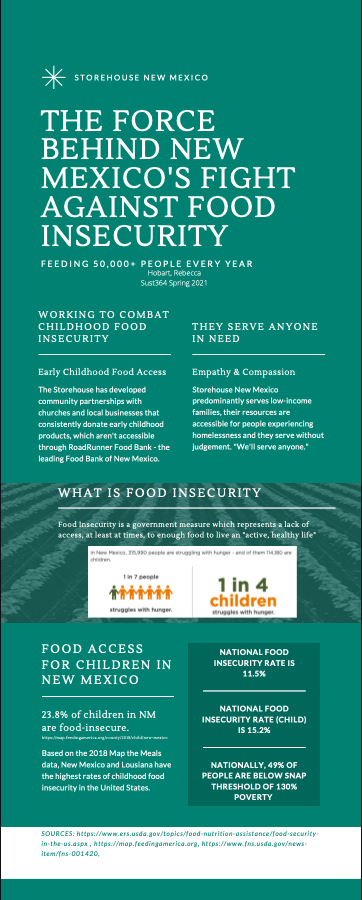
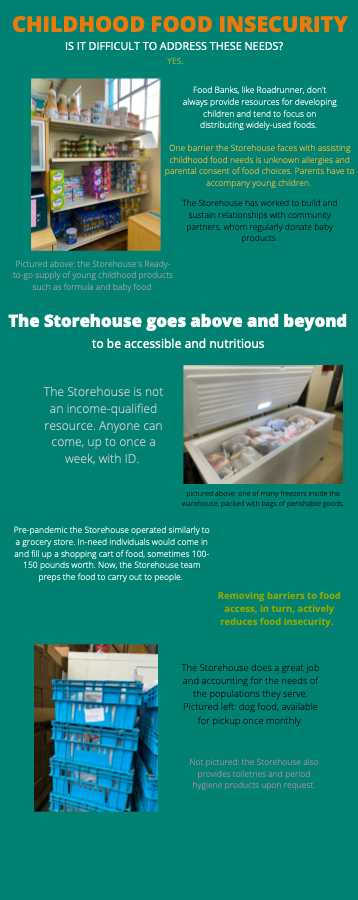
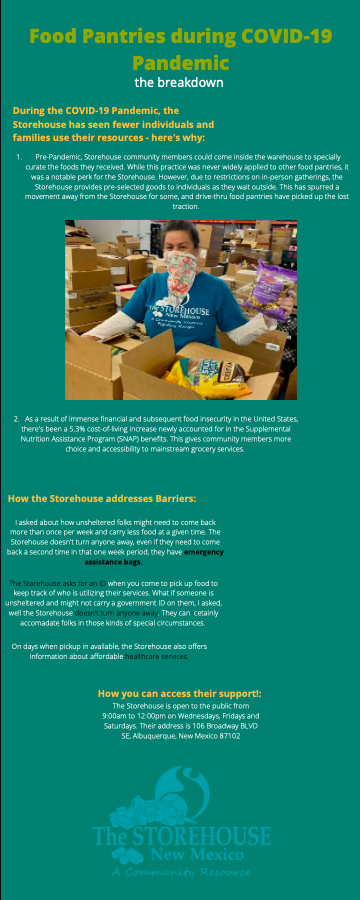
Website: https://storehousenm.org/
Social: @StorehouseNM
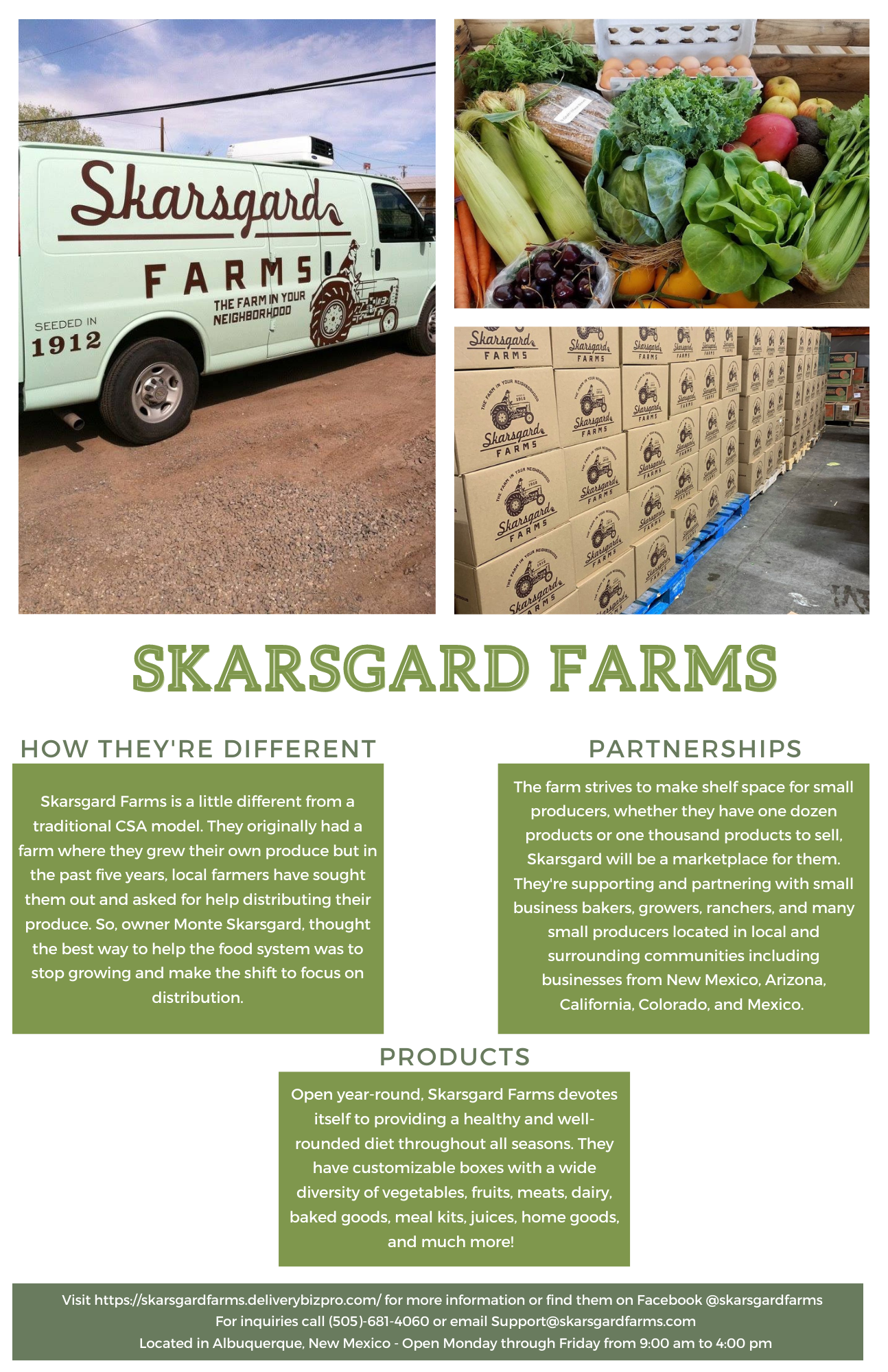
Website: https://skarsgardfarms.deliverybizpro.com/
Social: @skarsgardfarms
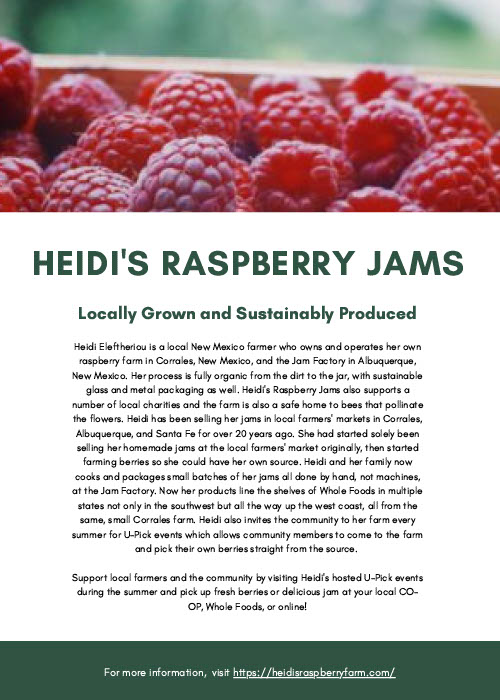
Website: https://heidisraspberryfarm.com/
Social: @HeidisRaspberryFarm
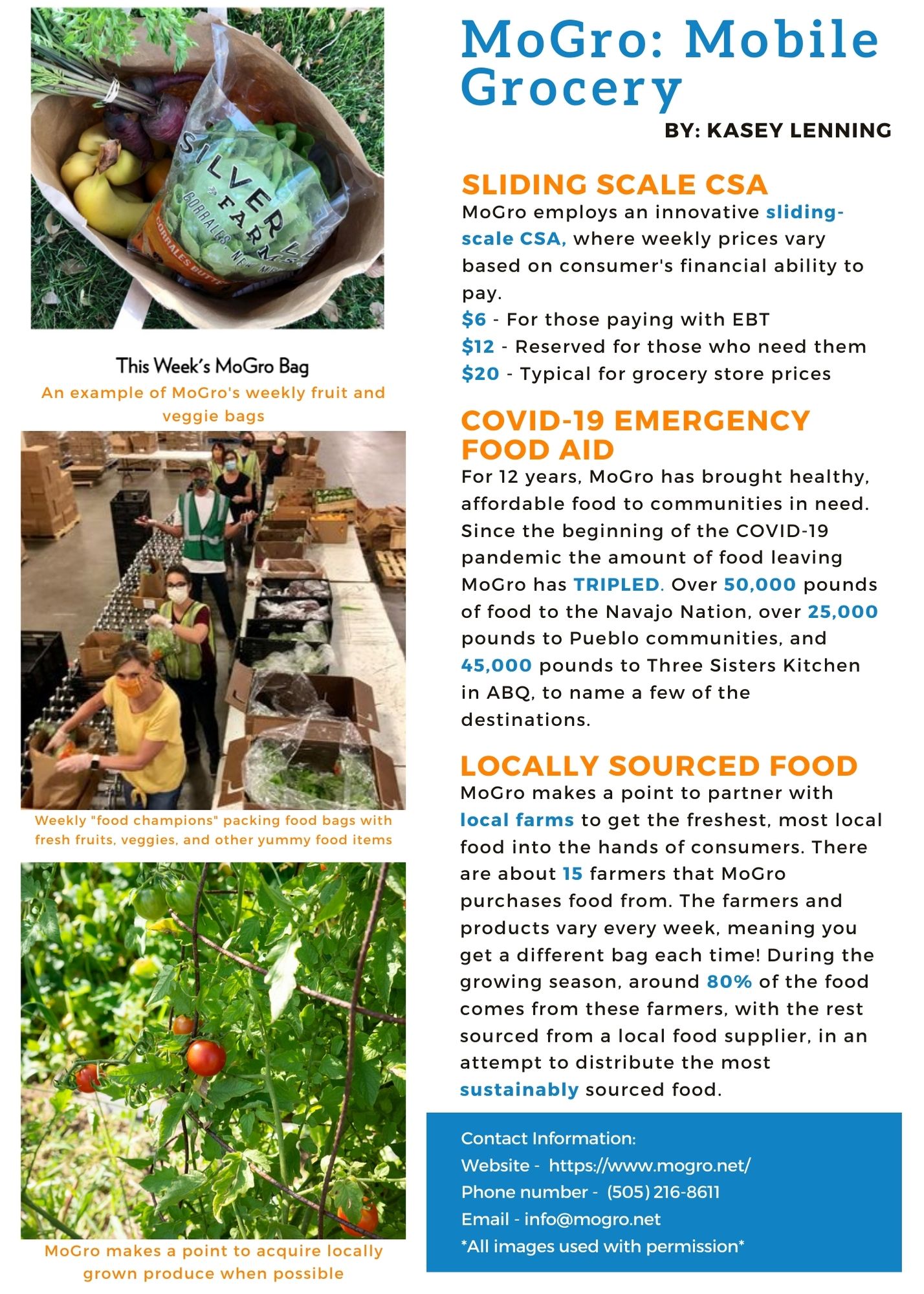
Website: https://www.mogro.net/
Social: @mogroweeklyshare
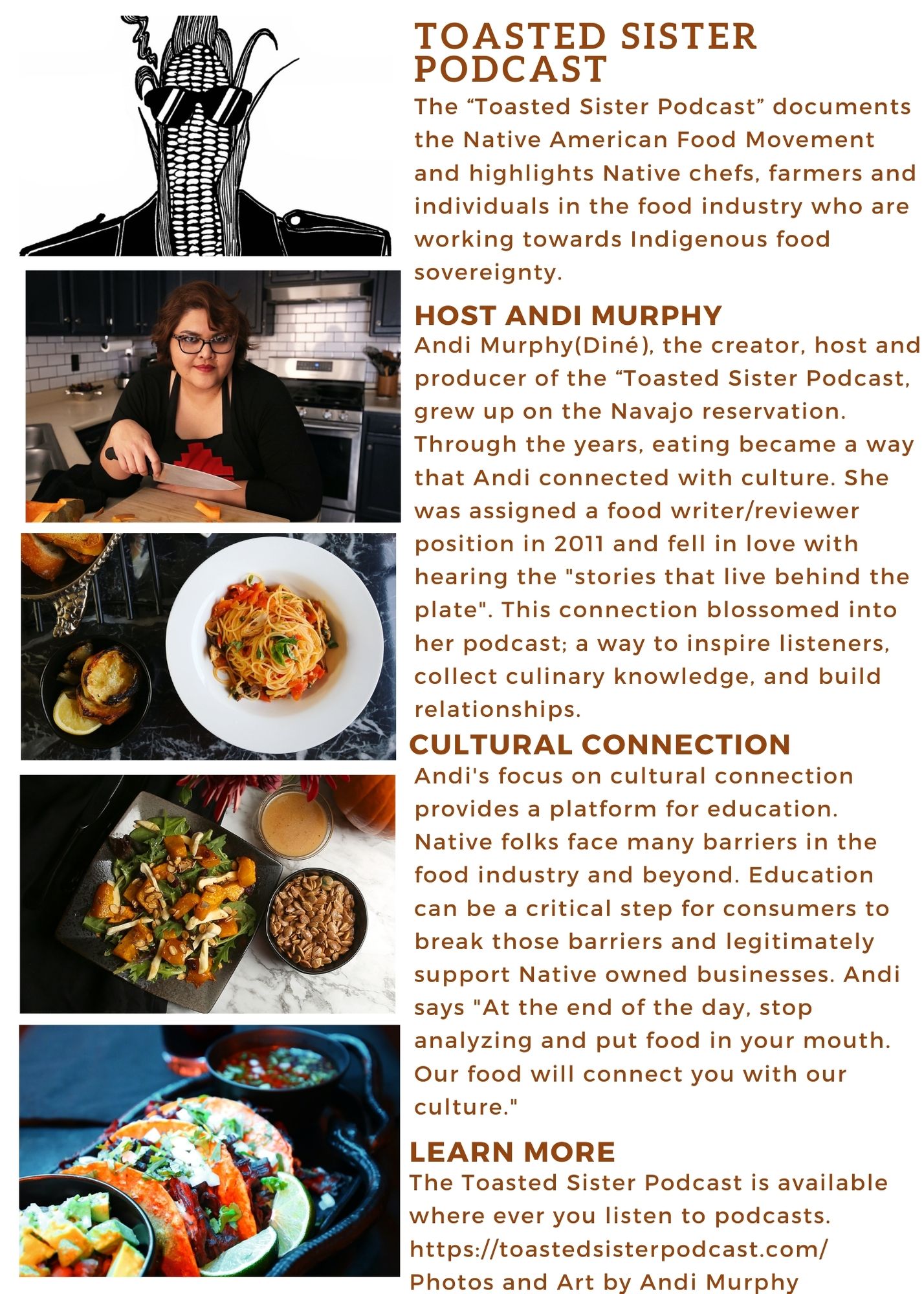
Website: https://toastedsisterpodcast.com
Social: @toastedsister
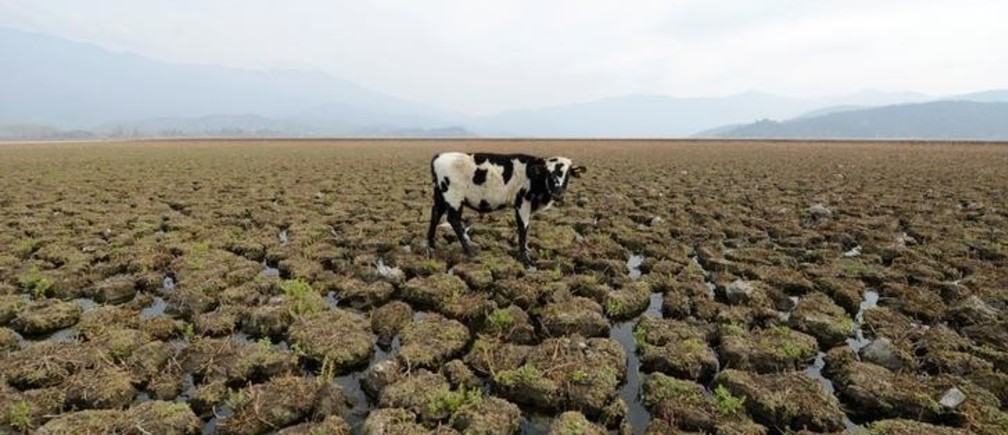
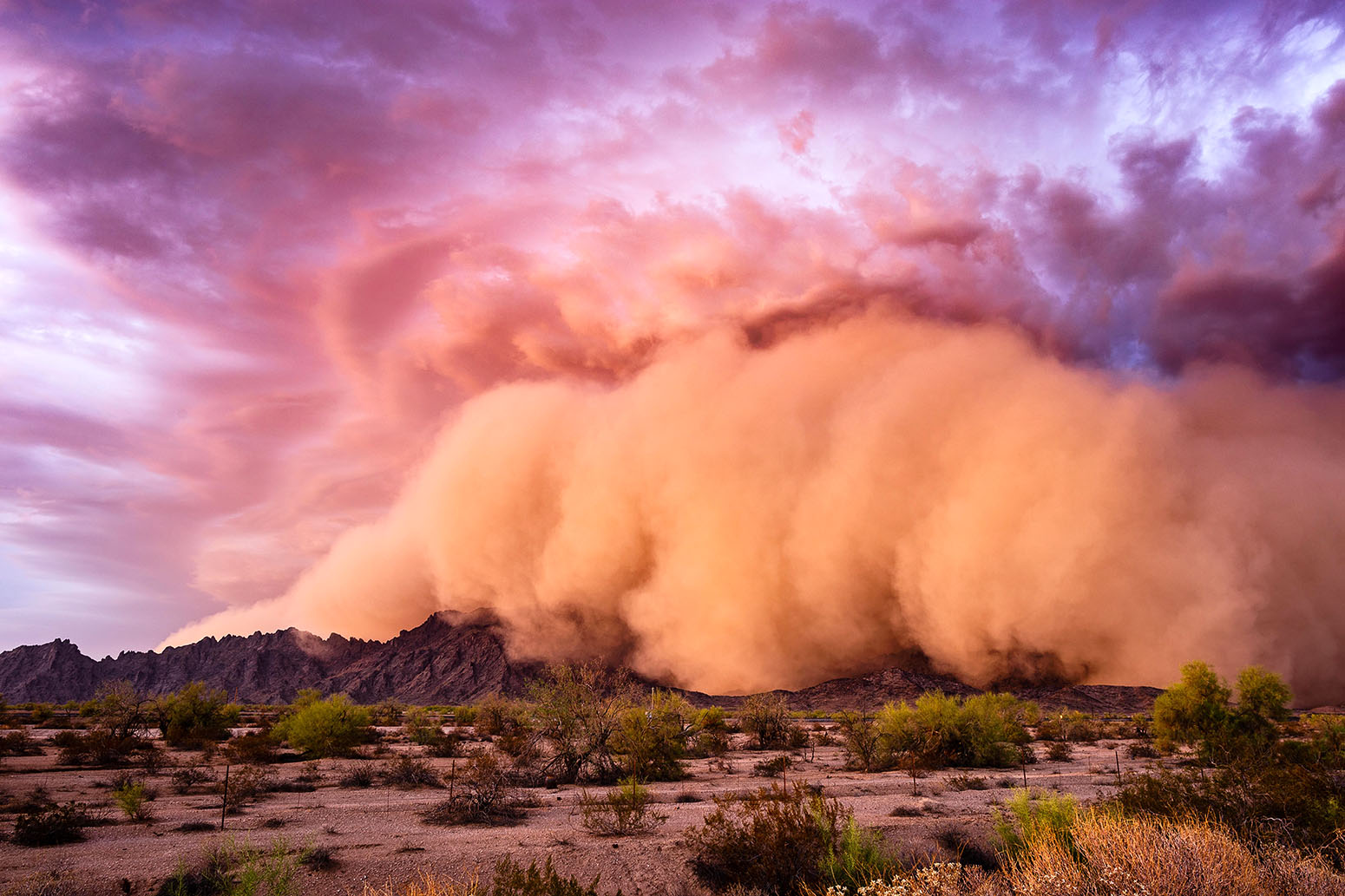
A plant is only as healthy as its soil. So what happens when the soil is sick? What happens when the soil is so sick that it isn’t even soil anymore? This is desertification, “the process by which fertile land becomes desert,”(ACCIONA) and it’s happening all over the world. Desertification is caused by a combination of social, political, economic, and natural factors which vary from region to region and is “almost always the result of multiple interacting causes” (IPEBS). So let’s talk about some of those causes.
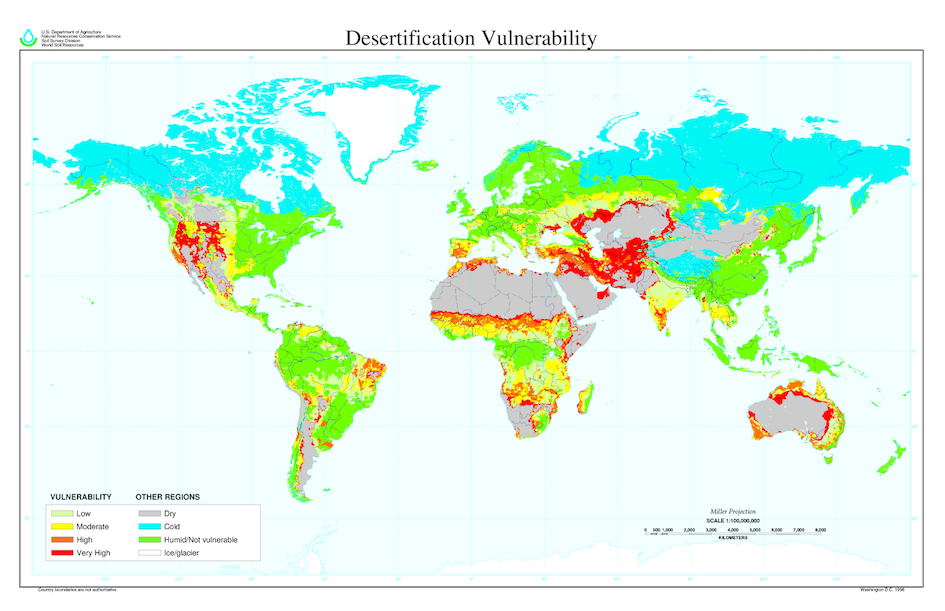
Climate change has caused land surfaces to “warm by an average of approximately 1.4F” (USDA). As the greenhouse effect increases warming in the carbon cycle, it worsens extreme weather events like wildfires, hurricanes, and droughts and affects annual rainfall patterns. Just like these natural disasters and the changes in our water cycle have negative effects on people, they also have negative effects on soil.

This is the displacement of the top and fertile layer of soil, typically through some force of nature like wind or rain and exacerbated by activities including plowing, grazing, or deforestation. This is also a side effect of the increased natural disasters that result from climate change.
Farming practices such as deforestation, overgrazing of livestock, over-cultivation of crops, overuse of fertilizers, and inappropriate irrigation can all lead to desertification. Many of these techniques are used because they provide economic benefits and because of the large social pressure to provide for a growing population. However, these practices have short lived benefits and ultimately lead to environmental deterioration including desertification.

So why should we care if some soil turns to desert? Desertification poses one of the greatest environmental challenges today and constitutes a major barrier to meeting basic human needs. There is a major connection between a degraded environment and human poverty including food access, financial insecurity, and health impacts such as respiratory illness, malnutrition, and lack of health care. In fact, desertification and land degradation causes a $42 billion USD loss in earnings each year (UNCCD).
Now I know that the list of current climate disasters can leave most people feeling powerless, paralyzed, and depressed. But here’s the good news; there are tested, creative, and hopeful methods for restoration and prevention of desertification!
Just as there are “multiple interacting causes” for desertification, there are also “multiple interacting” solutions. In order to promote prevention over rehabilitation, these solutions require management and policy approaches that incentivize sustainable resources. While these changes take place, there are also more hands on, accessible methods for restoration.
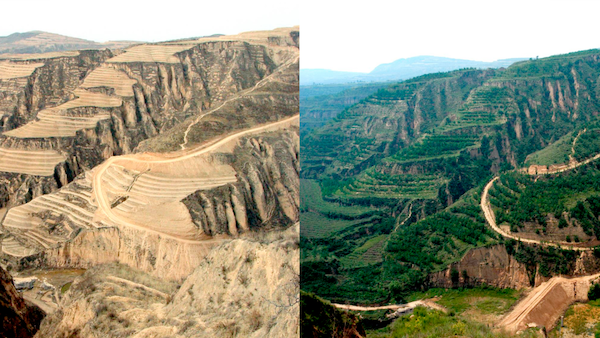
Replanting native species as a vegetation cover can act as an anchor for soil to hold on to and reduce erosion. As an added benefit these reintroduced plants are good for carbon sequestration and a crucial step in changing the feedback loop of global warming.
Understanding the chemical composition and microbial communities that make up soil also gives an understanding of how our agricultural practices affect soil.
Returning to traditional agricultural practices that prioritize soil health such as agroforestry, no or low till farming, companion planting, and cover cropping will allow the soil to continue to heal and maintain its top soil.
Having guidelines for land use and management, creating nation wide/ global concern, and continuing education and action will all play an important role in the prevention and rehabilitation of desertification.
When people find identity in the land and come together for restoration, it can lead to local empowerment that has ripple effects which lead to human and natural flourishing.
These methods have all been used in successful rehabilitation projects around the world including The Great Green Wall Initiative in Africa, the Greening the Desert project in the deserts of Jordan, and the Hope in a Changing Climate project on the Loess Plateau in China.
There is also work being done in New Mexico through the New Mexico Healthy Soil Working Group and NMDA’s Healthy Soil Program.
Seeing the value of investment in the recovery of damaged and desertified environments has the ability to create jobs, boost local economies, create global concern and action, and unify countries. Understanding the natural capital of desertification management and restoration opens the door for carbon sequestration, increased biodiversity, recognition of traditional agricultural practices, and adding to climate change solutions. In other words, there is hope in the desertified soil.
Continued Learning:
-Posted by Rachael
I know we all try to be better people. We all try to skip the straw at Starbucks, or choose paper when asked “paper or plastic?”, or buy “organic” produce. But is buying “organic” the same as “Organic”? Is “cage-free” the same as “free-range”? What is “pasture-raised”? If the Organic certification doesn’t include any of these assurances, is buying Organic even that good? Could Organic be worse for the environment?
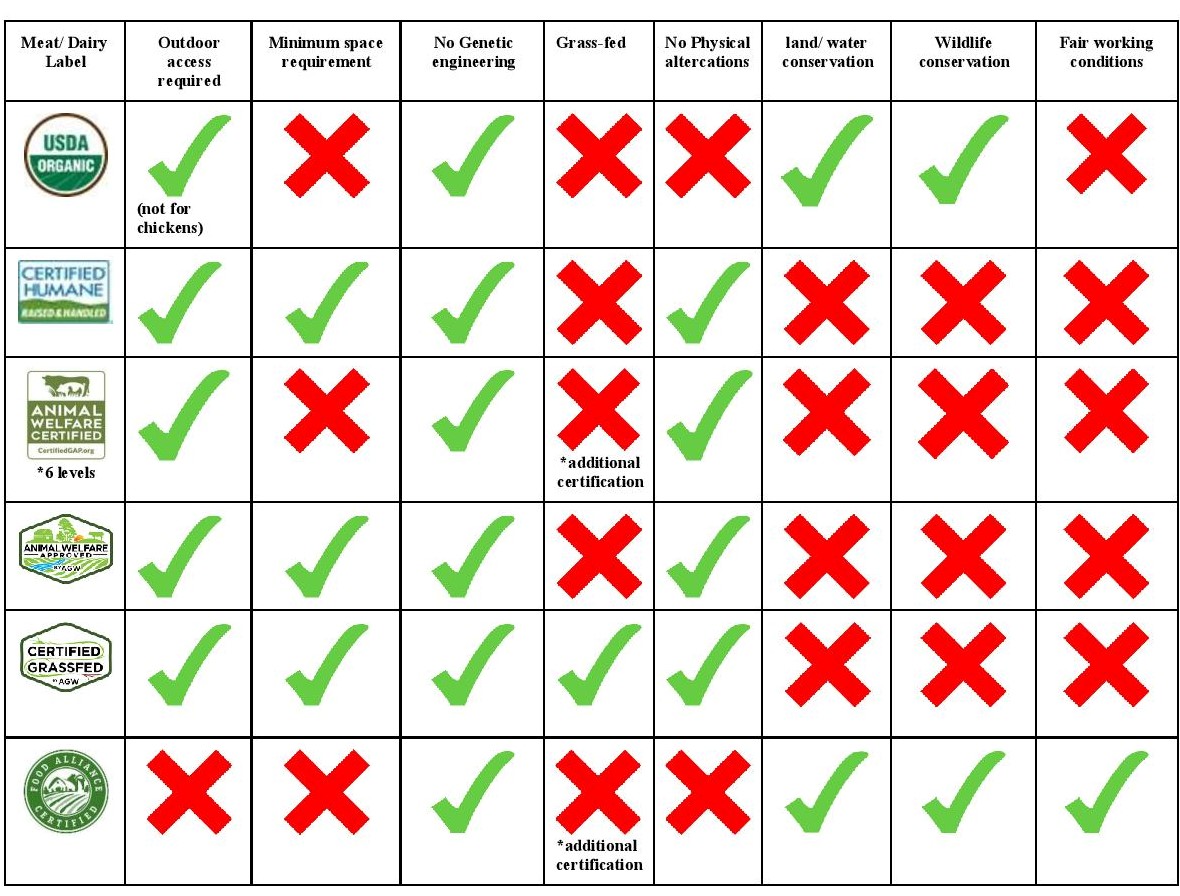
Third-party food certifications give us a look into what happens on the farm where our food is coming from and how it is treated before the store. Just because the food has nice green packaging and says organic or humanely raised doesn’t mean that the food is better for the environment, animal, or even truly Organic. Producers are allowed to make many loose claims that are not strictly defined by the USDA. You need to search for the USDA Certified Organic logo or other third-party certifications on your foods first. Growing certified food whether it be meat, dairy, eggs, or produce, and making sure that the animals are being humanely treated and that nothing bad goes into the products is harder. They’re more expensive to buy, they create larger emissions of greenhouse gasses, increased land, and water usage per crop, and not everybody has adequate access to these foods.
Now you’re asking yourself if you should even care because what’s good is starting to look just like the bad, don’t worry. They are more expensive because the extra care they require an increased demand for healthy food has driven up the price (thanks, capitalism) but prices are starting to drop, to combat this you can always go to a local farmer or attend farmer’s markets and get your food directly from the source. The certification is a long, paperwork-filled, expensive process that many older local farmers, although their practice is Organic, it is too costly for the farmer one way or another to get officially certified. The larger amounts of greenhouse gasses, especially in the cattle industry, because the cows are being well taken care of they produce more methane and the agriculture side produces less carbon dioxide than regular farming so not all bad. Organic produce also travels further which requires transport from fleets of vehicles. Organic food is more nutritious too with less harmful pesticides and more nutrients from the way it was produced. You just have to understand how the food was treated before it got to you, and additional third-party food certifications you often see along with “Organic” help us determine that.
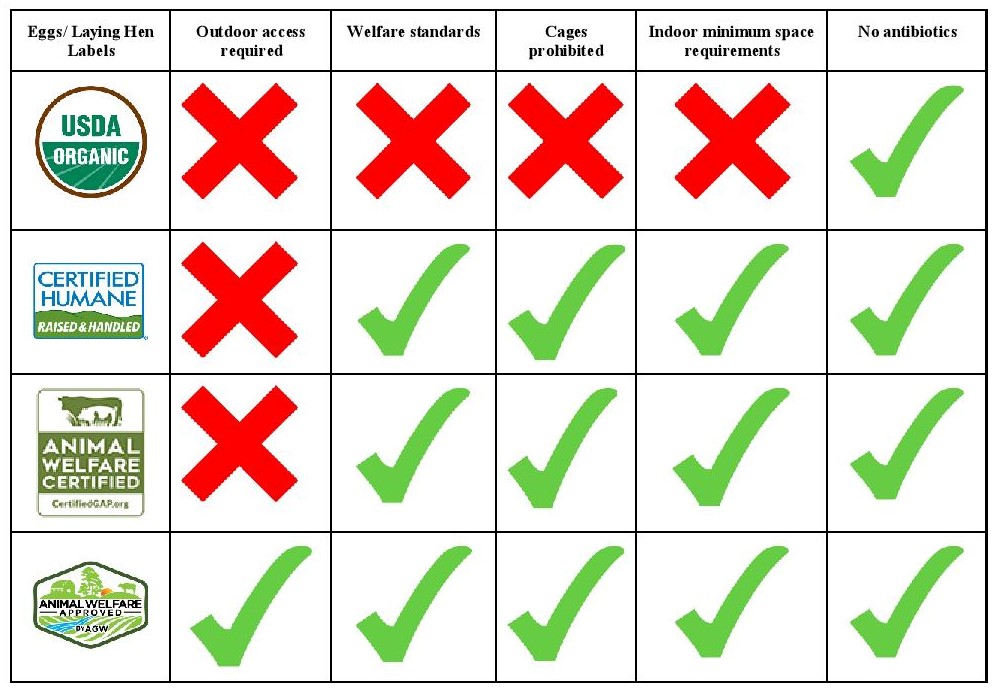
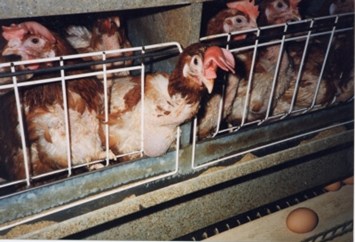
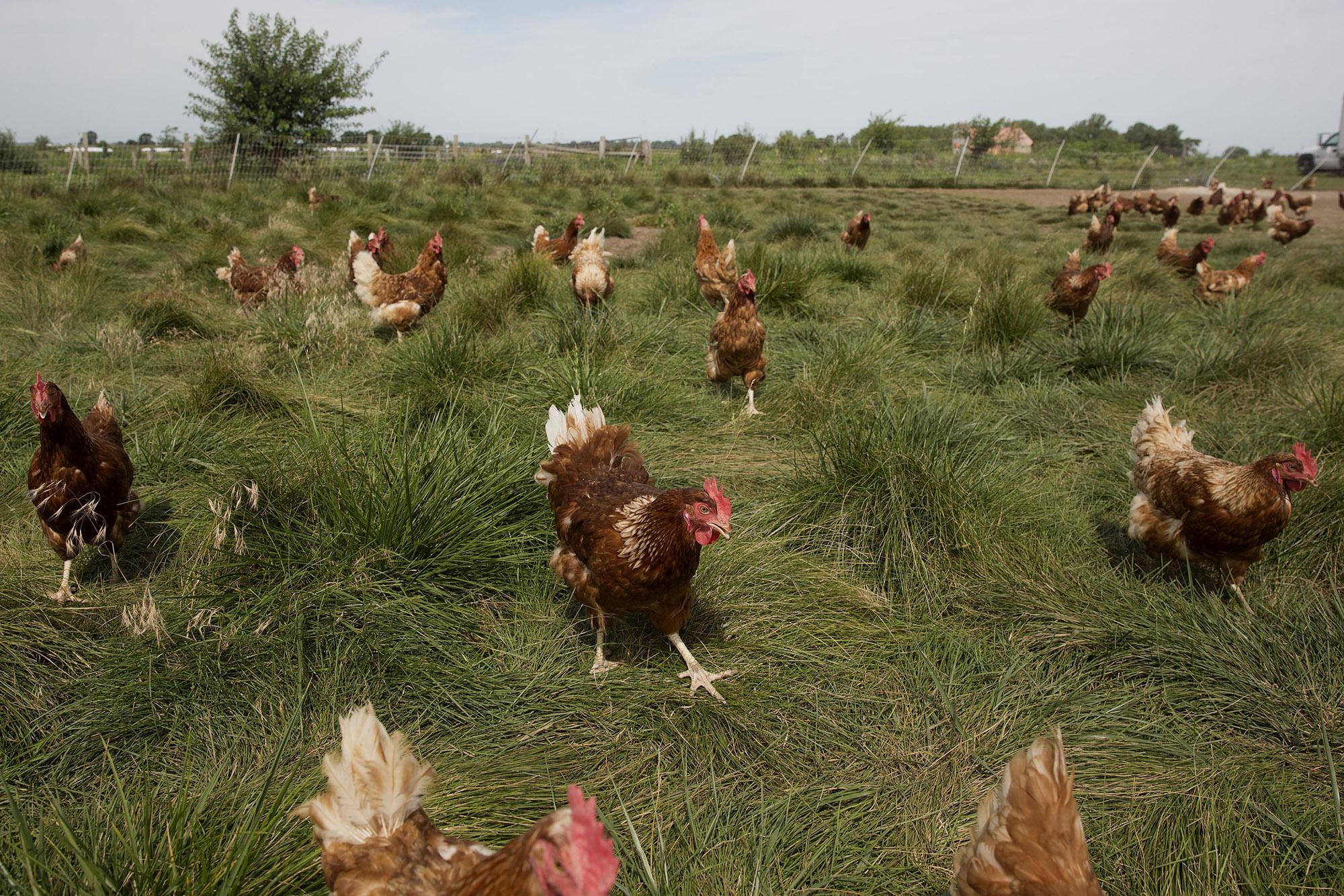
Each third-party certification has its meaning and producers, like most people in the world, bend around the rules as much as possible without breaking them. So your cage-free certified egg may have been produced “cage-free” but instead, the hens live their entire lives inside a warehouse with thousands of chickens with barely a square foot of room available to each just living on top of each other. It is important to know what you are purchasing, you care about the chickens, or else you would have grabbed the regular eggs and had been on with your day. So do the chickens one better and stop supporting bad business practices by supporting them with your purchases and go buy chickens and farm your eggs! Okay, so maybe that’s not possible for everyone so let’s just take a step back and learn what some of these most popular “certifications” really mean.
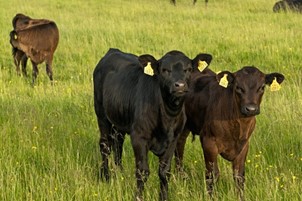
Meat & Dairy
Eggs & Laying Hens
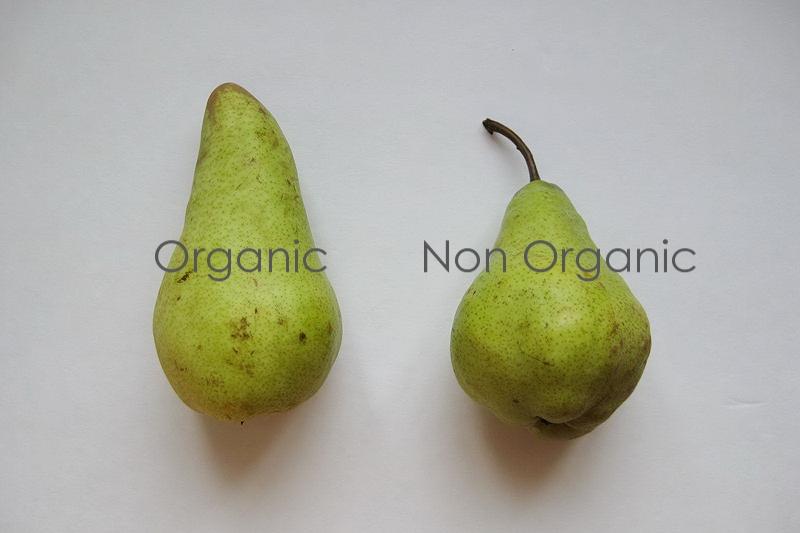
Produce
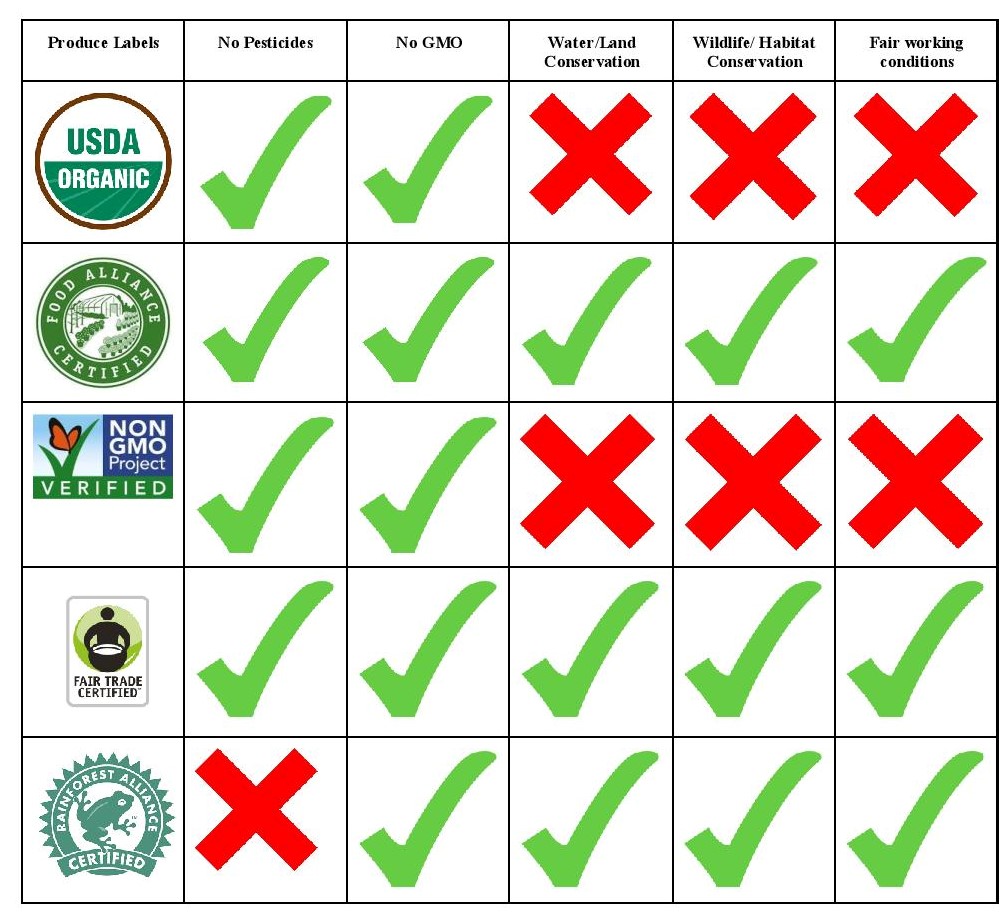
As you can see there is no ONE certification that covers everything and just buying Certified Organic is not enough. The more certifications the better, the more issues they cover. Now that you have a good idea of the certifications to look for while shopping you’re ready to go! It’s worth it to slow down and take a deeper look into the food you are buying and making sure that it is not only good for you but also good for the planet. If you need help, there’s not yet an app to tell you about certifications and their standards, but try downloading the Yuka: Food & Cosmetic scanner. This tool gives you insights into dangerous food additives to avoid – simply by scanning the barcode of your food.
-Posted by Kaela
The industrial food system, by maximizing production and reducing cost, has resulted in depleted soils, hypoxic dead zones, polluted water, excess antibiotics in meat and dairy products, and inhumane animal practices. It is also responsible for 75% of deforestation worldwide, and as of 2021, is the cause of 1/3 of anthropogenic emissions. The U.N has stated that we have 60 harvests left. If we continue on this “business as usual model,” this means 60 years. In order to keep up with population growth by the year 2050, farmers will have to produce 50% more food to sustain life.
The industrial food system is harmful to the health and wellbeing of not only the environment but of humans as well. The International Panel of Experts of Sustainable Food Systems (IPES-FOOD) found that our current system costs the world U.S $3.5 trillion in malnutrition per year and in the United States only, by 2025, obesity will cost $760 billion a year. Along with a multitude of issues, the Industrial Food System inhibits equitable access to food in both the US and globally.
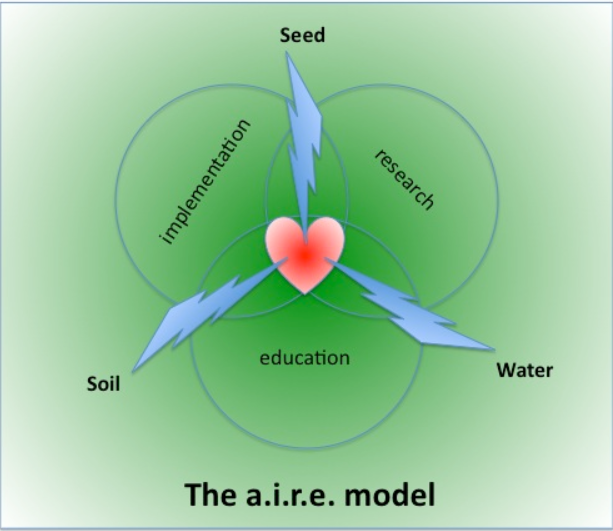
There is no better time to switch to organic, non-GMO, regenerative farming and consumption. However, this is not always feasible for everyone. A.I.R.E and Sol Feliz Farms of Taos, New Mexico have found a way to tackle, head on, issues of the industrial food system and have also addressed food access issues for the residents of Taos, with a main focus on the health and development of our youth. They are dedicated to providing education for younger generations in order to ensure a future for us all.
A.I.R.E. (Agriculture Implementation Research & Education) is a non-profit organization, working with Sol Feliz Farm that was formed to address many issues concerning the industrial food system. Reconnecting people with their land, food and surrounding ecology while tackling climate change issues and nature deficit disorder are their main objectives. The founders, Micah Roseberry and Miguel Santistevan, have focused much of their attention on the youth, as well as other age groups, through outreach programs such as presentations, research and demonstrations, media outlets, classes, farm to family food boxes, school gardens, and farmer support programs.
A.I.R.E has a Farm to School Program that provides a multitude of opportunities for the youth of the Taos region. These include internships with gardens, workshops at the schools, School Tasting Events, Cafeterias and Health and Wellness education.
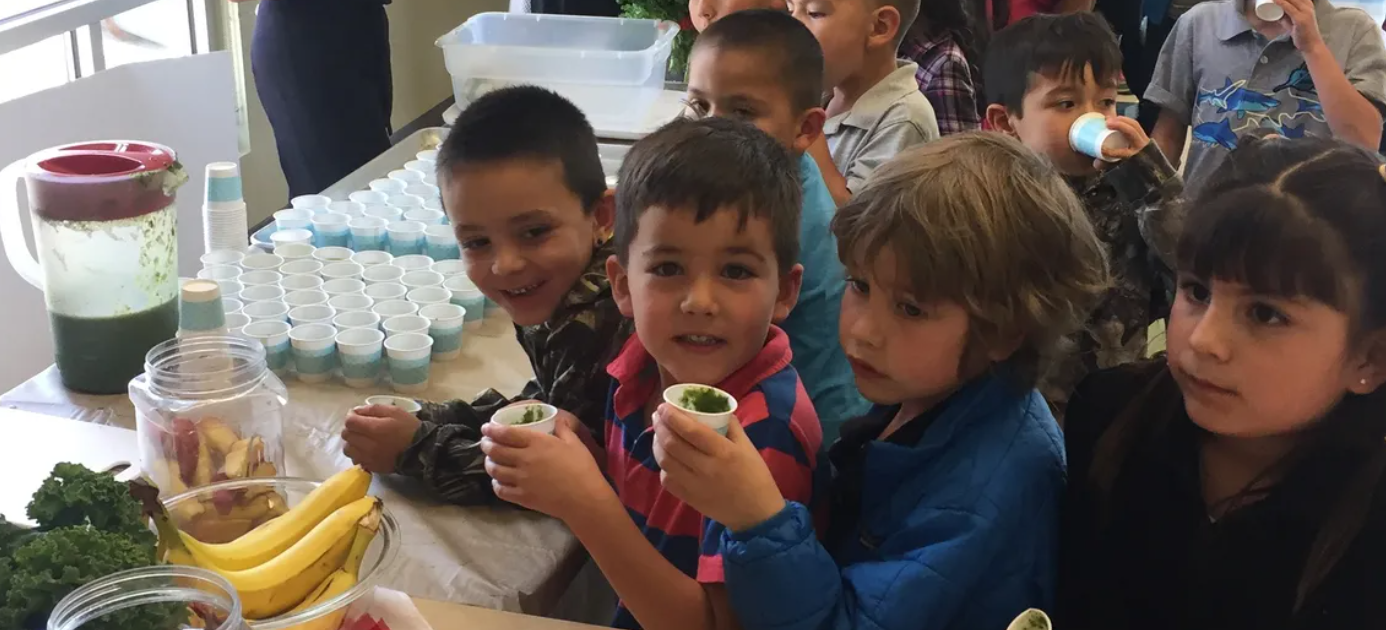
Significant focus is given attention to PreK through high school with another program through A.I.R.E, Growing Community Now. They provide education on sustainable farming, agriculture, diet and habits through a variety of different outlets including: The Parr Field/Secret Garden, Cooking Classes, the La Cosecha Festival, Farm Trips/Gardening and food boxes to families in need. Kids of all ages get to experience first hand what it means to make wise choices and how to do so. They are involved with planting and harvesting their own seeds and are taught how to process and consume the fruits of their labor. Families benefit as well from the food being grown within schools and surrounding gardens through the farm to table food boxes, furthering the awareness of healthy food but also granting access to those that have difficulty acquiring clean, healthy food.
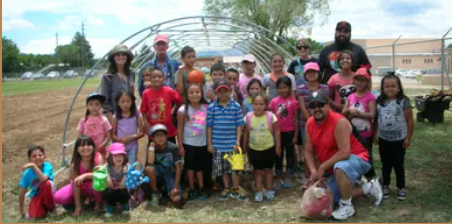
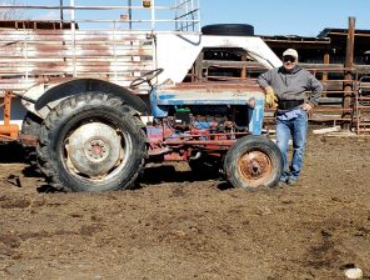
Robert Martinez, a member of Rios Del Norte Coop, and founder of Martinez Family Ranch has been involved in improving food access in Taos and surrounding areas. They have been providing local beef to the school lunch program since 2014 and are an integral part of the success of the program. Rios del Norte Farm & Ranch Coop partnered with Growing Community Now and A.I.R.E. to provide food for schools and be involved in ranch to family programs They are now currently working on a zone implementation grant to provide food for 2,500 students.
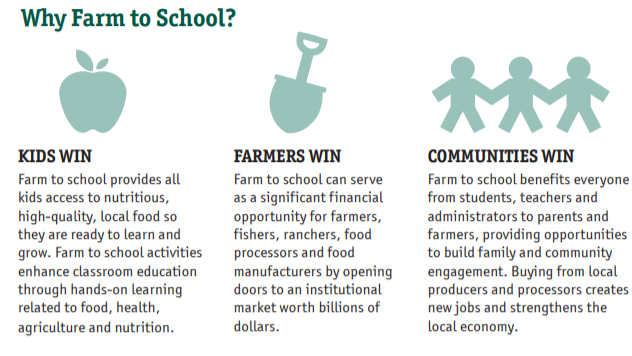
There are many benefits that come along with choosing to participate in farm to school programs. Such benefits include – but are not limited to – economic development, public health and education, the environment, equity, and community engagement.
By following in the footsteps of A.I.R.E and Sol Feliz Farms our exquisite Land of Enchantment can move forward in ensuring a regenerative landscape and providing equitable access to food for our New Mexico family.
-Posted by Tiffany
There is a distinct and important difference between a farmer and farmworker. Farmers are in the position of privilege, with a voice for executive decisions. Farmworkers, though, work hard in the varying weather conditions, don’t get healthcare or childcare, and women are especially vulnerable to sexual harassment. That being said, odds are, when you visit your produce section at the grocery store, migrant labor was sourced and exploited to get those food products to you.
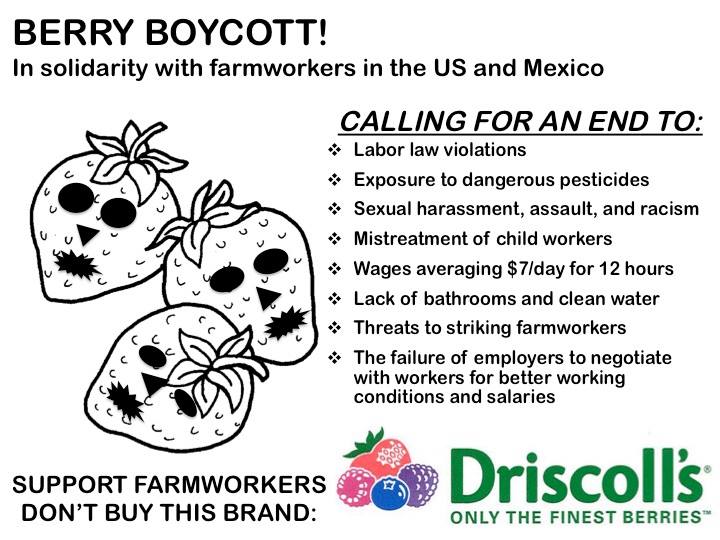
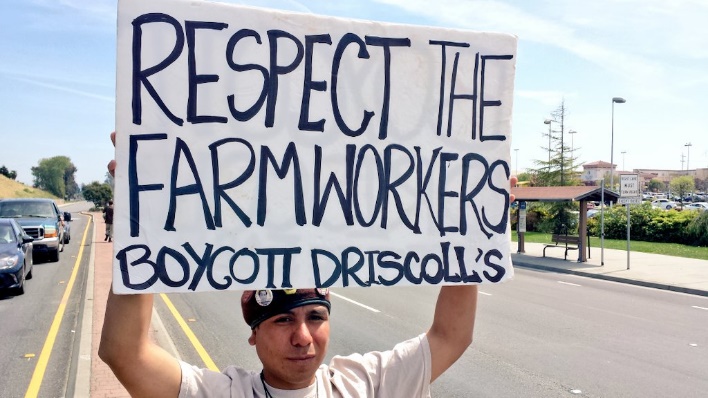
Farmers rely on immigrant and migrant labor – who may have fewer job opportunities and are forced to settle for longer hours for less pay. The 2018 ‘Demographic Characteristics of hired farmworkers’ data reported that just 45% of farm laborers are born in the United States. To contrast, 84% of farm managers and supervisors are U.S. citizens. At the Rancho Laguna farm in Santa Maria, CA – which supplies berries that are ultimately sold under the Driscoll’s brand – farmworkers held a strike in May 2020 for “a long-term salary increase of $0.25 per box of strawberries picked, safe conditions, and respect without retaliation,” according to the Santa Maria Sun.
However, many migrant farmworkers fear retaliation for speaking out against negligent working conditions. The fears of losing their coveted jobs in the U.S., threats of deportation, or an entire family at the farm facing the repercussions are a few reasons why farmworkers are especially vulnerable in their work environments.
The United States has a long history of relying on migrant farmworker labor to fulfill the growing produce demand here North of the U.S.-Mexico border. The Bracero Program, initiated during World War ll, was a series of agreements between Mexico and the United States to bring Mexican guest workers to work on “short-term, primarily agricultural labor contracts,” to mitigate wartime production shortages. “Mexican nationals, desperate for work, were willing to take arduous jobs at wages scorned by most Americans.”
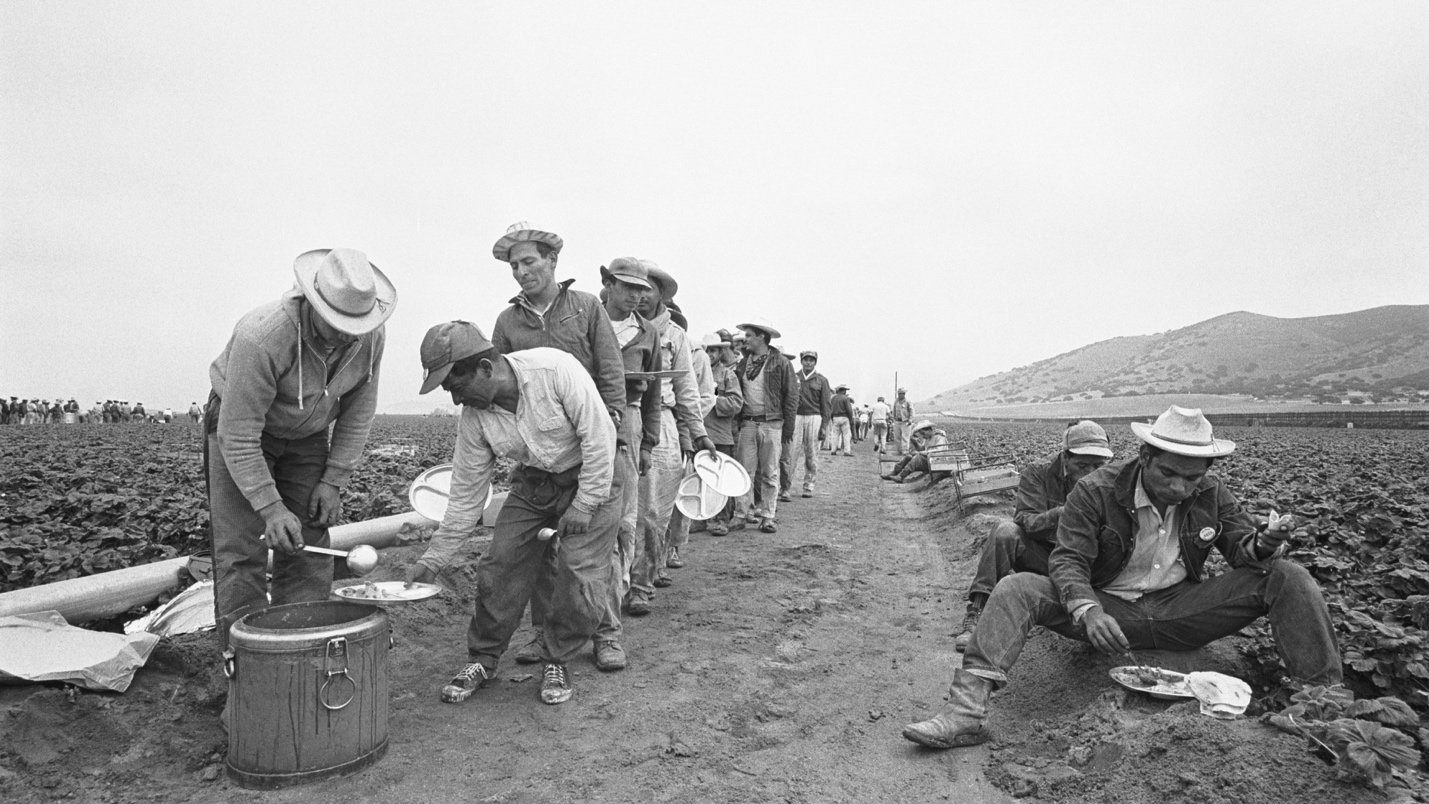
The Bracero Program was the foundation of labor market relationships between the United States and Mexico and, likely, contributed to the influx of migration from Mexico. Though the Bracero Program officially ended in 1964, relying on Mexican nationals for foreign farm labor didn’t stop there.
The U.S. government offers an H-2A Visa for employers to bring in non-immigrant foreign workers to the states for temporary agricultural labor, in the event of a shortage of domestic workers, according to the Department of Labor, provided that “there are not sufficient workers who are able, willing and qualified, and who will be available at the time and place needed.”
The H-2A Visa, though, doesn’t address the power imbalance created and sustained by business authority figures towards vulnerable, poor, migrant workers. Sexual violence against female farmworkers has been rampant since the inception of time. This power dynamic can be seen through the ‘Demographic characteristics of hired farmworkers and all wage and salary workers, 2018’ data studied and published by the Economic Research Service of the USDA. Of farm laborers, only 25% were female. And of the farm managers, inspectors and supervisors, 87% were male.
A 2010 research paper ‘Examining the Sexual Harassment Experiences of Mexican Immigrant Farmworking Women’, echoed these USDA data, saying “Unlike gender-segregated worksites of Mexico, women farmworkers in the United States labor alongside men, facilitating harassment from coworkers and supervisors.” For women in the fields, they often experience the effects of being female in a male-dominated industry, living in poverty, and being an immigrant. “Farm-laboring women’s distance from power places them in subordinate economic and racial positions, creating the circumstances facilitating sexual harassment.” This short quote offers perspective and illustrates the overarching relationship between gender and power.
At the 2000 UN Meeting on Gender and racial discrimination, Crenshaw said “In this metaphor, race, gender, class and other forms of discrimination are the roads that structure social, economic or political terrain. It is through these thoroughfares that dynamics of disempowerment travel.”
“Supervisory positions are commonly held by men (92%),” which is a serious risk factor when considering the vulnerabilities of female farmworkers: low-wage, low-prestige jobs, and their jobs are contingent on the men who supervise, organize and critique them. 80% of female farmworkers claimed to have experienced some form of sexual violence on the job.
Female farmworkers have responded to sexual harassment on the fields by disguising their gender identity by covering their faces with a bandanna – to mask feminine features. The issues of race, gender and immigration status are all inextricably interwoven and compound to form layers of inequality which heighten the risk of sexual violence.

Sexual violence against female farmworkers is seldom talked about because it’s not a “salacious” topic in the same way it might be in Hollywood, political or corporate environments. These are migrant women who are at their most vulnerable: working labor jobs, for pennies, in which their ability to make money and, likely, continue to shelter their immigration status to the “outside” is contingent on those men in power positions.
For centuries, women have been a critical part of agriculture and fueling the world through food. From the incredible im/migrant women who continue to demonstrate stewardship to communities and the environment, resilience and fierceness, to Dolores Huerta, community organizer and life-long advocate for farmworkers’ rights, the women of the world prevail and lead us through it all. As women continue to serve as the cornerstone of America’s agriculture heritage, and as we all recognize and empower them, it’ll be clear that they do deserve all the gratitude, love and support that they so graciously afford us.
-Posted by Rebecca

 ABQ Stew