Our Genetically Modified World

Did you know that roughly 75% of the foods in your grocery store contain genetically modified organisms? Some of the most common genetically engineered ingredients can be found in almost all nonorganic/non-GMO marked, packaged foods and even in many of the foods in restaurants, making it nearly inescapable.

What is a GMO Anyway?
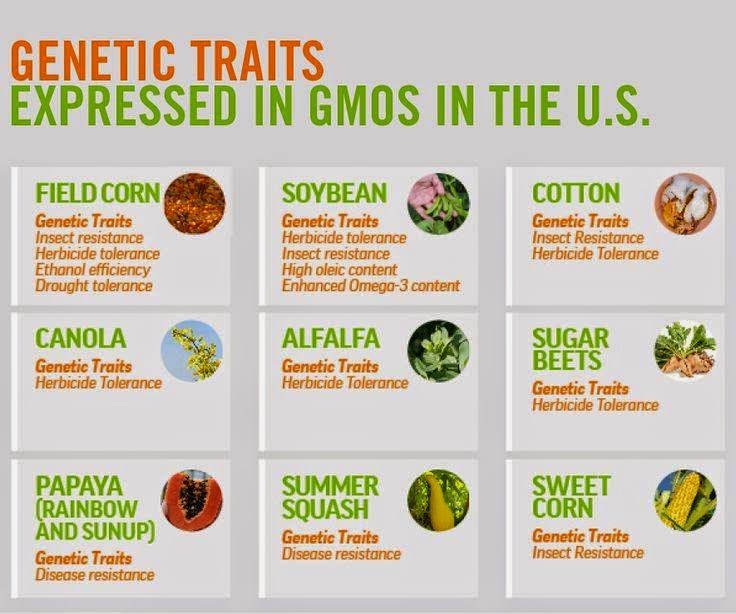
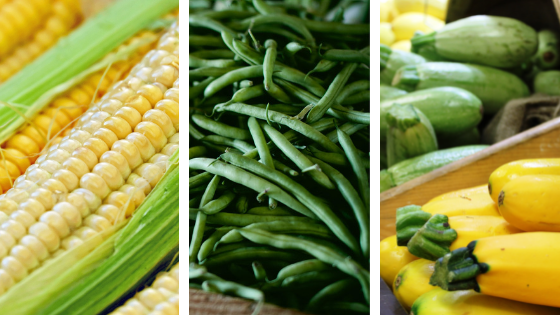
The first GMO created was a tomato in 1994. It became available for sale once it was approved and evaluated by federal agencies. A genetically modified crop is an organism whose genetic makeup has been modified by humans, in a laboratory with the use of genetic engineering, meaning their DNA is altered in a way that does not occur naturally. The image to the right shows the nine approved GM crops in the United States.

GMO seeds are not created by selective breeding, open-pollination, or hybridization, where humans have always been able to breed crops that had the genetic ability to breed, like two varieties of apples. However, unlike selective seeding, the technology behind GMOs allows us to break rules and alter the structural DNA of species that would never be able to breed in nature, like shrimp and squash.

More on GMOs

Endless Poison

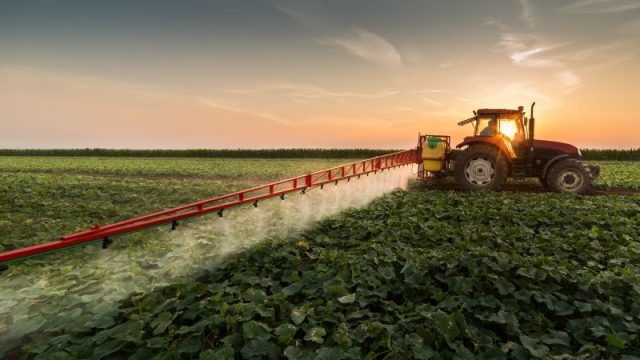
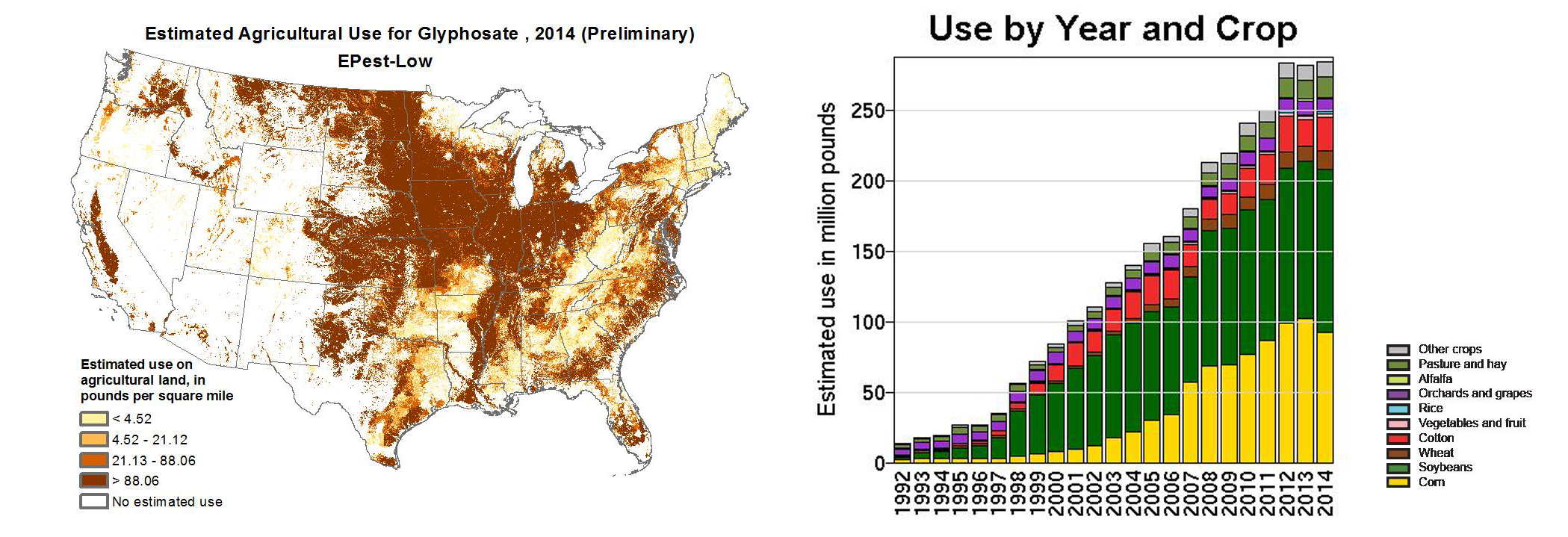
Herbicide-tolerant crops allow farmers to use certain chemicals that will kill the weeds without killing their crops. Glyphosate is the most widely used herbicide in the world. The most popular type of herbicide-tolerant crops is “Roundup Ready” crops, in which glyphosate is the active ingredient, and is used many times throughout the season. This image shows just how intrusive this herbicide is on miles and miles of cropland.
As we know, pollen travels freely on the wind and via pollinators, and new resistance to Roundup Ready has begun to appear in unintentional species. The pollen drift and over-spraying of the herbicide have unfortunately created a new problem, leaving farmers to ask how do we get rid of these new “superweeds”? The answer: stronger and more toxic herbicides. One of the more common strong herbicides includes a product called “Agent Orange” that contains a highly toxic chemical called dioxin. This ingredient has had immediate and long-term effects that include darkening of the skin, liver problems, and chronic acne-like disease; chloracne. Dioxin has also been linked to type 2 diabetes, immune system dysfunction, heart disease, muscular dysfunction, and nerve disorders. Dioxin is in some ways even more toxic to developing fetuses, linking to miscarriages and birth defects.

The increased use of glyphosate has also been associated with affecting productive soil health. The active ingredients in Roundup kill the good qualities in soil that crops need to fight disease, utilize minerals and vitamins, and instead promote the growth of harmful pathogens. This affects not only the nutrition in the food we eat but the long-term well-being of their ecosystems.

More on Glyphosate

Environmental Impacts

The use of GMOs and their pesticides have had major implications on their biodiversity and overall natural balance. As states above, many toxins are released into the soil through the plants resulting in fewer bacteria in the soil. However, these bacteria are integral to the health of plants to grow on their own without the use of chemically ridden fertilizers. Once the crops have been harvested their residue is left in the soil and nutrients are not returned. Meaning that the soil becomes dry and will have essentially no nutrients. This forces a continuous cycle of dependence on GMO seeds, pesticides, fertilizers, and herbicides to grow one single crop. And yet, it still does not stop there. Besides the soil issues, the irrigation system used to water the crops naturally carries all of these problems into its water source and through the air. This means that GMO DNA could end up in the compost, animal feed, byproduct, different bacteria, soil, and any other living organisms.
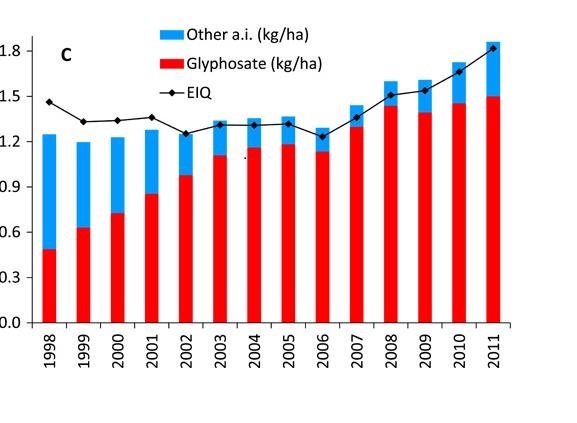
The focus of GMOs also means fewer weeds which therefore means less nectar. One example of this is the destruction of much of the monarch butterfly habitat in the U.S. due to the expansions of herbicide-tolerant corn and soy, layered with other herbicides. Monarch populations have declined by more than 90% in under 20 years and has lost more than 165 million acres of habitat due to the use of the ingredient glyphosate in herbicides. Glyphosate kills milkweed, which is the monarch caterpillar’s only food. The graph to the left shows just how much the use of herbicides has increased over the years and unfortunately gives context to why the monarch butterfly’s habitat has been under such extensive threats.

Herbicide-tolerant crop systems encourage the use of herbicides, reducing the overall plant diversity and limitations on habitat food sources for other vital organisms. And once it is introduced to its agricultural environment, it is sensible to assume that it will ultimately become part of a larger ecosystem. This means that the problem of environmental damage created by GMOs is much larger than the potential harm to our health.

More on environmental impacts

Take Action

The American Academy of Environmental Medicine called for an immediate suspension in 2009 on GM foods, stating that “GM foods pose a serious health risk in the areas of toxicology, allergy and immune function, reproductive health, and metabolic, physiologic and genetic health.”

So, what can you do?

1. Many Americans are unaware of what products in the grocery store include GM ingredients. So, firstly we must demand the labeling of any foods that contain GMOs so that every consumer can make their own conscious choice.

2. Because it is so hard to avoid GMOs at the grocery store, the Institute for Responsible Technology created a “Non-GMO Shopping Guide” that you can print and share with your friends and family to use at the store.

This guide is also in app form for free called, “Non-GMO Project Shopping Guide.”

3. While all of these options are effective, the best thing you can do is to buy 100% certified organic products because these do not allow GM ingredients. You can also buy from local farmers who you trust not to use GMOs or purchase products that do not include the nine crops listed above.

More you can do

-Posted by Elizabeth
Posted in Uncategorized | Leave a comment

Albuquerque’s Local Compost Collectors

New Mexico is not well known for rich soil and an abundance of water. But there are two operations in Albuquerque that are working to create healthy soil through compost, by adding nitrogen, water and carbon into the ground. Little Green Bucket and Soilutions are the first of their kind here in Albuquerque, and together they are working to keep food out of landfills and reduce emissions from decomposing organic matter.

Brad Weikel, founder of Little Green Bucket, is a pioneer of diverting food waste from landfills in Albuquerque. As he was developing his business plan in 2018, Weikel realized that Albuquerque was one of only a few comparably-sized cities in the U.S. that had no city-wide composting service. He decided to take on that challenge and has since created a residential pickup and drop off compost service for Albuquerque. Thanks to his work, over 500 Albuquerque homes are able to keep their food waste out of the landfill and save themselves the hassle of trying to compost at home. This service prevents the production of greenhouse gases that contribute to warming global climates. In addition to gathering their food waste, customers are entitled to a share of the compost that this waste creates twice a year. In fact, it is already compost delivery season for members! Many homes in Albuquerque are now seeing their food come full circle as brand-new fertilizer for home gardens and flower beds.

Little Green Bucket boasts one of the most inclusive lists of acceptable materials for residential composting in the nation. It may be surprising, but many small companies in other cities are hesitant to accept meat and dairy, or bioplastics and other materials advertised with compostable packaging. What makes Little Green Bucket unique is their partnership with the industrial compost facility Soilutions. Because of their inclusivity in the materials they are able to process, Little Green Bucket is able to accept many more items than the average compost service. Weikel highlighted some of the ways that Soilutions is different, including their year long process. This allows for any items that take a longer than average time to break down to have ample time for decomposition. He also stated that industry standard is to create 10-foot piles, but Soilutions makes 30-foot piles. This conserves water and allows for the temperature to rise quickly to the desired 130 degrees, or higher.

I also spoke to Ben Dickerson, Business Development Manager of Soilutions, and he described the problem of composting in Albuquerque. Right now, ABCWUA transports municipal biosolids from the water treatment plant to their Soil Amendment Facility. The biosolids are put through a two-week anaerobic composting cycle, followed by a three-month curing period. This short window of composting time is the reason they do not accept meat, dairy or bones. Proteins in these items take much longer to break down and are often best put into an aerobic process like Soilutions. For now, there is no city-funded composting, and what the Water Utility does is minimal. Soilutions has bridged that gap with the community and serves many businesses like La Montanita Co-op and the Downtown Growers’ Market, while Little Green Bucket handles the residential needs. Together they have diverted over 21,000 tons of food waste to date and have introduced it into a circular cycle of reuse.

The inclusivity of Little Green Bucket’s collected items is due to the practices of Soilutions and their ability to take just about any organic material. This includes items backyard composters often omit due to smell, like meat and dairy. These things are also common sources of temptation for varmints like racoons and skunks, so many Albuquerque homes are able to keep the pests away and the food out of the landfills thanks to Soilutions and Little Green Bucket. Organic fabric is another item often forgotten about. But Soilutions gladly accepts cotton, wool and other clothing materials as long as they are not mixed with polyester or other synthetics. Basically, if it was once alive, Soilutions welcomes it. It is a privilege to have such an open and inclusive variety of materials diverted from landfills.

Composting is an important step to take, especially now with the threat of climate change and rising global temperatures. There are a multitude of other reasons, though. Home composting is often a viable option. But for the apartment dweller, the one who doesn’t want wildlife in their yard, or the college student living at home whose parents won’t let them (yours truly), a residential service like Little Green Bucket is crucial to keep food waste from creating these issues. Weekly and biweekly members are able to collect food at home and have it picked up either once a week or once every other week. Drop off members collect their food waste and bring it to drop off sites for Little Green Bucket. Not only is this an important step for diverting food from the landfill, it supports a grassroots local business, and makes it possible for even more people to get involved. Whether you decide to compost on your own or utilize a service like this one, any food saved from the landfills is food that is able to become a part of a circular chain of utility, instead of the linear one that landfills illustrate.

-Posted by Erica

Posted in Uncategorized | 2 Comments

COVID’s Impact on Gardening

Recently, amid the COVID 19 pandemic, some people have found themselves with more free time than they have had before. Mass shutdowns, remote learning, and working from home have resulted in people spending much more time at home. In response to being at home so much, people have been picking up new hobbies to keep themselves occupied; if there ever was a time to start a new hobby, this last year was the perfect time to do so. One of these hobbies I’ve noticed within my own neighborhood has been the creation and maintenance of small-scale and personal gardens.

Personally, I have been gardening with my family for years, and love to do it, so it’s been really nice to see a few gardens pop up in the yards of my neighbors. “Whether they’re motivated by a need for self-sufficiency, a desire to stay out of grocery stores or a loss of confidence in the food-supply chain, first-time gardeners are sprouting across the region.” It is likely that you have noticed this as well, so what is all the hype about?

With the amount of time people have been spending isolated from friends and family, it is important to focus free time on productive and rewarding practices. Small scale gardening (community or personal) has many far-reaching benefits, including a healthier growing/production process, an opportunity to create a social space while maintaining a socially distant manner, and the overall sustainability of growing your own food.

Most people have little idea what exactly what went into the production of their food. The problem with buying produce from a grocery store is that commercial or industrial farming operations often use herbicides, pesticides, fertilizers, etc. and other synthetic processes, the types and quantities of which are mostly unknown to the customer. These processes not only endanger the consumer, but also the farmers, grocery store workers, and the environment. Even with evaluation from federal agencies, “many EPA-designated tolerance levels may not fully account for a range of health risks, such as hormone (or, endocrine) disruption,” and additionally, “pesticides that are sprayed on crops leave a residue on the dead plant material that settles into the soil and can run off into waterways or leach into groundwater.” Many of the detrimental effects of commercial and industrial farming are unknown or can go unregulated for years. A good way to avoid this uncertainty is to use regenerative practices in your own garden.

There are physical health benefits to planting, growing, and caring for your own garden. According to a study conducted by the Center for Disease Control, “moderate-intensity level activity for 2.5 hours each week can reduce the risk of obesity, high blood pressure, type 2 diabetes, osteoporosis, heart disease, stroke, depression, colon cancer and premature death.” Gardening fits this recommendation as a moderate-intensity exercise that can assist in achieving this 2.5-hour weekly goal, while getting some fresh air and sunlight.

There are also mental health benefits from long-term planning and goal setting that come with planting your own garden. Interaction with “nature has been shown to be restorative to our minds, cognitively and emotionally,” by improving our focus and attention, reducing mental fatigue, lowering stress, reducing the risk of dementia, and much more. These mental health benefits can assist anyone, especially those with mental disabilities that affect one’s attention and mood, such as ADD, ADHD, PTSD, and more. “A recent survey by Mintel for the charity Thrive, which enables social and therapeutic horticultures, showed that among people with disabilities, a quarter listed gardening as a hobby. Two-thirds of the respondents owned a garden and 87% had access to a garden that they thought was beneficial to their health.” It is important, especially nowadays, that we find a group of people we share common values with and connect with them in beneficial ways.  

COVID 19 has not only shown us the importance of finding a productive hobby, but also the importance of staying connected with our friends and family and within our communities while maintaining a socially distanced manner; gardening is great way to do both. It is an activity that can capture the attention and imagination of all; young and old, is an activity that allows us to connect with people we may not have otherwise. Additionally, sharing seeds, crops, and techniques creates an open dialogue and an educational opportunity, especially generational knowledge, for all involved. Small scale gardening creates a safe space for social interaction while remaining safely distanced from one another in the amidst of the pandemic.

For more information on starting a small-scale garden in Albuquerque, including how and when to prep the soil, recommended plants and flowers, varying techniques (in-ground or raised beds) pest management, and other tips and tricks, check out this gardening guide.

-Posted by Matthew

Posted in Uncategorized | Leave a comment

What Local Means to a Local

The word local is defined by Merriam Webster as “characterized by or relating to position in space.” So how can local be defined in terms of food? The USDA defines local food as “the direct or intermediated marketing of food to consumers that is produced and distributed in a limited geographic area.” In addition to this definition, there is legalese behind the term local. In 2008, the Farm Act stated that a product could be marketed as local if it was produced within 400 miles of its point of origin, or within state boundaries.

In the last 30 years, food miles, or the distance food is transported from production to consumption, has become a more prominent term and is one component to determine the environmental impact of food. Generally, local food has fewer food miles than conventional food and can be considered more environmentally friendly. However, there is not an agreed upon distance when discussing food miles in relation to local food.

Conventional vs. Local Food. Source

Local food can also be discussed in terms of farming and fresh produce, as well as the broader local foodshed which includes grocery stores, restaurants, farms, farmers’ markets, and more. As a result, the definition of local food varies and can be different depending on the context. Specific to the restaurant industry, local restaurants, also termed independent restaurants, “serve a specific city – or even a specific area or neighborhood within a city – and is definitely not part of a chain of corporate restaurants.” This definition is synonymous with that of local food based on the exclusivity of the geographic region.

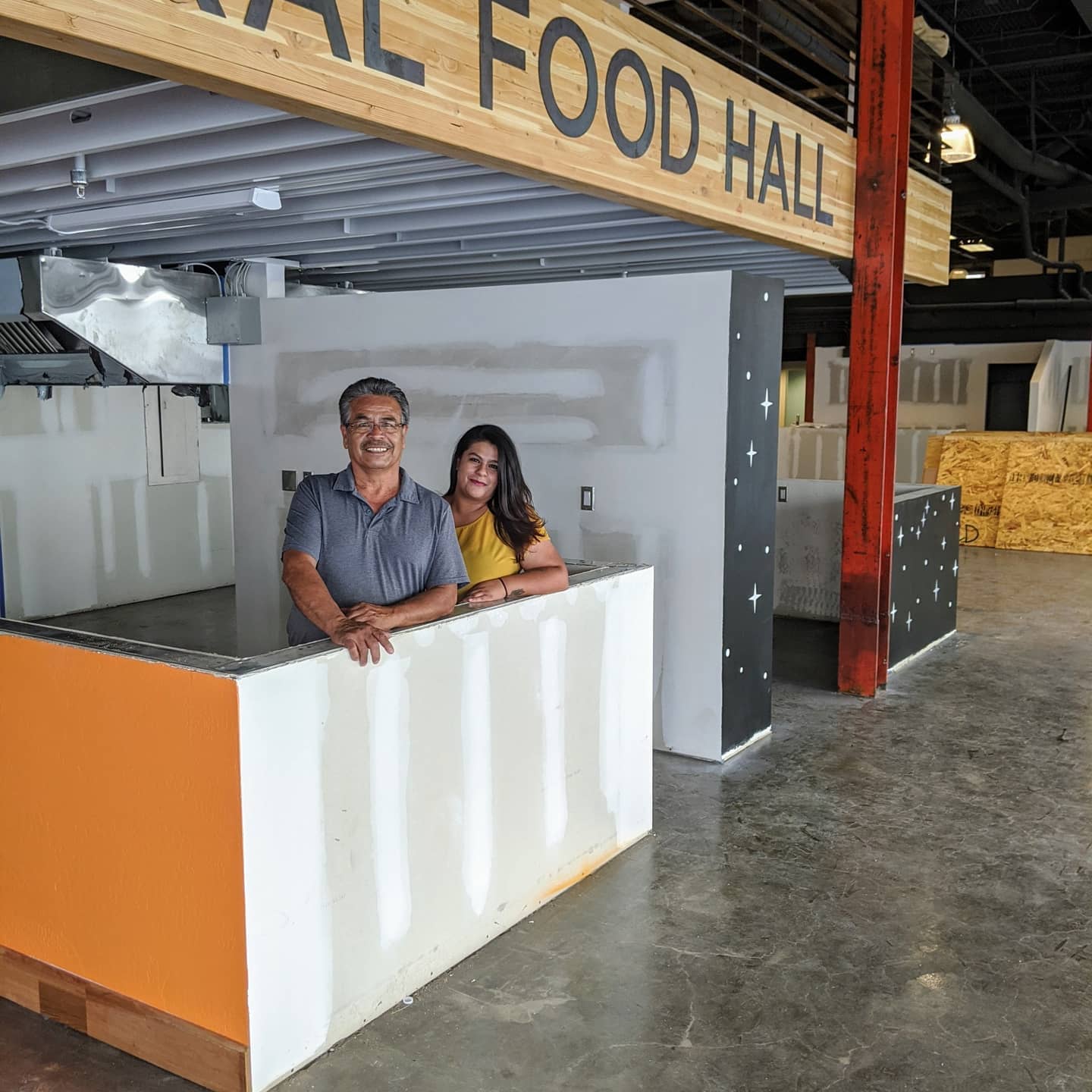
Defining local food can also be dependent on a person’s personal experience. I personally think of local food in three main ways; the restaurant or business is located exclusively in one place, the owners are locals themselves, either born, raised, or call the place home, and/or the materials are “locally sourced” or grown within the state. However, to truly comprehend what local means, and specifically within the local foodshed, I conducted an interview with a local food business to understand their perspective. I decided on a restaurant that I recently discovered and love called Tino’s Tacos, which is located in the newly opened 505 Central Food Hall in downtown Albuquerque.

505 Central Food Hall – Tino’s Tacos. Image Credit
Tino and Brianna. Image Credit

Tino’s Tacos is a family-owned, authentic Mexican restaurant owned by Tino alongside his daughter Brianna. Their business first started a few year ago with the pair selling a variety of fresh produce at the Downtown Growers’ Market. Brianna said that they noticed the regular burrito guy at the market had stopped coming so they saw an opportunity to make and sell burritos instead of produce. They eventually saved enough money to buy a food truck and continued their presence at farmers’ markets across Albuquerque, as well as catering for various events. Not too long after, the 505 Central Food Hall owner reached out and asked them to rent a space in the newly renovated building based on their success at the growers’ market. They decided to take this opportunity, sell their food truck, and start working to get their new space ready.

When asked what the word “local” means to him, Tino says it is “community within Albuquerque and Bernalillo County.” As a New Mexican resident, he considers himself a local as well as his business because he started this business here in Albuquerque, which he also considers an aspect of being a local business. As mentioned, part of being local may also mean using locally sourced products; Tino says, “we try to use as much as possible, all the tortillas, a lot of the beef, whatever we can get from New Mexico, of course.” Although there is not a single producer they buy from consistently, they always try to support local New Mexico producers.

Tino’s Tacos is a great example of a local food business in Albuquerque; it is owned and operated by people in the community, the location is exclusive to Albuquerque, and locally sourced products are used in creation. The word “local” can have a lot of different meanings and is subject to change depending on its context. It is also evident that local food and local business do not have to be synonymous in their meaning, as Tino’s Tacos is a local business in the context of Albuquerque but may or may not meet the requirements of “local” for distance in their food supply chain.

In addition to 505 Central Food Hall, there are several other local food businesses and food halls in Albuquerque that value local business and creation. Some great options include Sawmill Market, Green Jeans Farmery, and Tin Can Alley. Also be sure to check out Edible NM’s local food guide for great local food options, as well as breweries and farms, in the state of New Mexico.

Tin Can Alley. Image Credit

-Posted by Kyla

Posted in Uncategorized | Leave a comment

Lacking Food Waste Legislation in New Mexico

When looking at inefficiencies within the food systems of the United States, there is almost no more glaring of an issue, especially in regards to sustainability, than food waste. It is estimated that somewhere between thirty-to-forty percent of all food in the country ends up going to waste somewhere within the food supply chain. The reason this is so problematic is no secret to New Mexicans, as the state’s population faces the highest rate of food insecurity in the nation.

Food waste is also a major factor when it comes to greenhouse gas emissions. Landfills account for more than 14 percent of human-related methane emissions, making it the third-largest source, and food waste is the largest category of material placed in municipal landfills. When organic food rots, it releases considerable amounts of methane gas, which is one of the most potent greenhouse gases contributing to global warming. Furthermore, losing around a third of the nation’s food supply is also quite an economic inefficiency, taking away from the revenue of companies on every step of the supply chain.  As New Mexico tries to comprehensively address climate change while also tackling issues like food insecurity, reducing and regulating food waste is a good place to start.

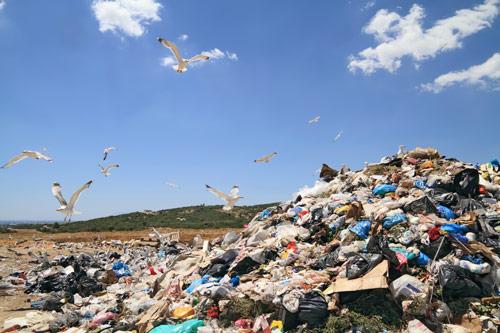
Food waste in landfills. Source.

The clearest path for New Mexico to begin tackling the issue of food waste is through some form of government legislation. The state has a couple of laws related to food waste that form a good start, such as liability protection for donators, but it has not taken any major steps that will lead New Mexico to make notable reductions in food waste anytime soon. New policies that are quickly gaining prominence in state governments across the country, known as organic food waste bans, offer roads to substantial progress regarding food waste but are currently lacking any sort of discourse within New Mexican politics.

Currently, five states and a variety of municipalities have rolled out forms of regulation on food waste, regarded as either organic food waste bans or organic waste recycling laws. These regulations are imposed on a variety of different levels depending on the state, with some only targeting commercial, industrial, and institutional entities, while others are imposed all the way down to individual consumers. Generally, the regulations force entities to divert their generated organic food waste to designated recycling programs, and without a designated exception, penalize disposal of organic waste to landfills. This means that the covered entities must enroll in composting programs or compost the material themselves. New Mexico can emulate these regulations in order to better deal with excessive amounts of organic food waste rotting in landfills.

Organic food waste bans ensure that institutions like restaurants and grocery stores are responsible for recycling their organic food waste. Source.

The implementation of such regulation takes substantial effort from both the state and individuals involved in diverting large amounts of organic food waste from landfills. Therefore, in order to be successful, a policy must take into consideration existing programs and infrastructure in the state. Oftentimes, states do not have the initial capacity to divert waste at levels that are needed to support statewide mandates, and therefore they must invest in the necessary infrastructure. This is no different in New Mexico, where there are only a handful of programs that currently recycle organic waste, and which would not likely be able to handle such an influx that would result from any statewide mandate. Furthermore, the more encapsulating a regulation on organic food waste, the more that is needed to provide resources, education, and enforcement of such regulation. The state cannot require every individual living in New Mexico to recycle their organic food waste if adequate materials, resources, and education are not provided.

Because of the high levels of required investment, which only grow the more comprehensive the regulation is, it is likely that an organic waste ban that goes all the way down to the individual consumer would not be a smart move for New Mexico, nor would it be successful. For this reason, the state should look to implement organic waste regulation that is more similar to that of California’s or Connecticut’s Organic Waste Recycling Laws.

In California, the policy is specifically targeted at businesses in general, profit or non-profit, while Connecticut specifically targets commercial food wholesalers or distributors, industrial food manufacturers or processors, supermarkets, as well as resorts and conference centers. Both states also provide minimum requirements for the amount of waste generated to be included in the regulation, which shrink over time to start off with the largest producers of organic waste and eventually encapsulate smaller producers of waste as well. In both policies, there is also some sort of distance exemption, so that isolated entities are not forced to travel long distances to dispose of their organic waste in an inefficient manner. This framework would be well-suited for New Mexico’s socioeconomics and current infrastructure.

First of all, leaving individuals out of the policy, at least initially, and targeting only businesses dramatically shrinks the cost of the implementation of regulation, while still encapsulating the entities who contribute the largest deposits of food waste. Furthermore, setting parameters on the amount of food waste production that is needed for an entity to be covered under the regulation, with those parameters shrinking over time, allows the state to start regulating the biggest producers of food waste, and allows time for smaller businesses, who also produce less waste, to plan for the future without having to shoulder the immediate burden that larger businesses are capable of handling.

Lastly, the distance exemption is something that would be extremely beneficial for the New Mexico population, with rural communities being extremely spread out throughout the state, and a lack of facilities in less-dense areas. All in all, a policy framework that is similar to that of California or Connecticut would allow New Mexico to immediately lessen the impact of organic food waste of the state’s largest producers, with more and more entities eventually being included in the regulation to eliminate as much organic food waste going to landfills as possible but to not place any sudden burden on smaller entities who may struggle with the costs and resources needed to recycle organic food waste.

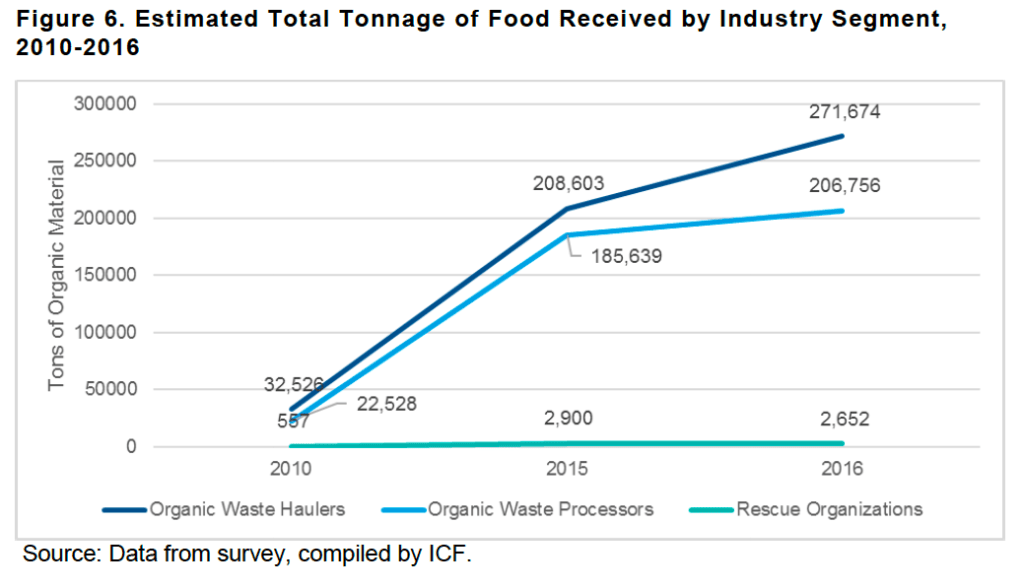
A well-thought-out and successful implementation of an organic food waste law in New Mexico could provide a number of benefits to the state. States that have implemented organic food waste bans or laws have, first of all, seen a huge growth in sectors such as Organic Recycling and Food Rescue. As entities are required to no longer place their organic waste in landfills, the market for composting and food rescue services grows as there is widespread demand to alleviate or responsibly dispose of organic food waste. This means that even with a less comprehensive ban on organic food waste, it is very likely that the infrastructure to carry out such mandates will likely grow naturally, eventually allowing for ease to make the policy more comprehensive in the future.

Furthermore, such policies create jobs in the sectors that see growth, providing an indirect economic boost. There is also evidence that such policies, even if they are modest in the beginning, raise widespread awareness about organic food waste disposal and create cultural changes that eventually lead to even further widespread reductions in organic food waste throughout the population. All these benefits, direct and indirect, would surely benefit New Mexico while also aiding in the state’s effort to lessen its contribution to climate change.

-Posted by Jared

Posted in Uncategorized | Leave a comment

How Fair is Fair Trade? A Look at Labels and What They Truly Mean

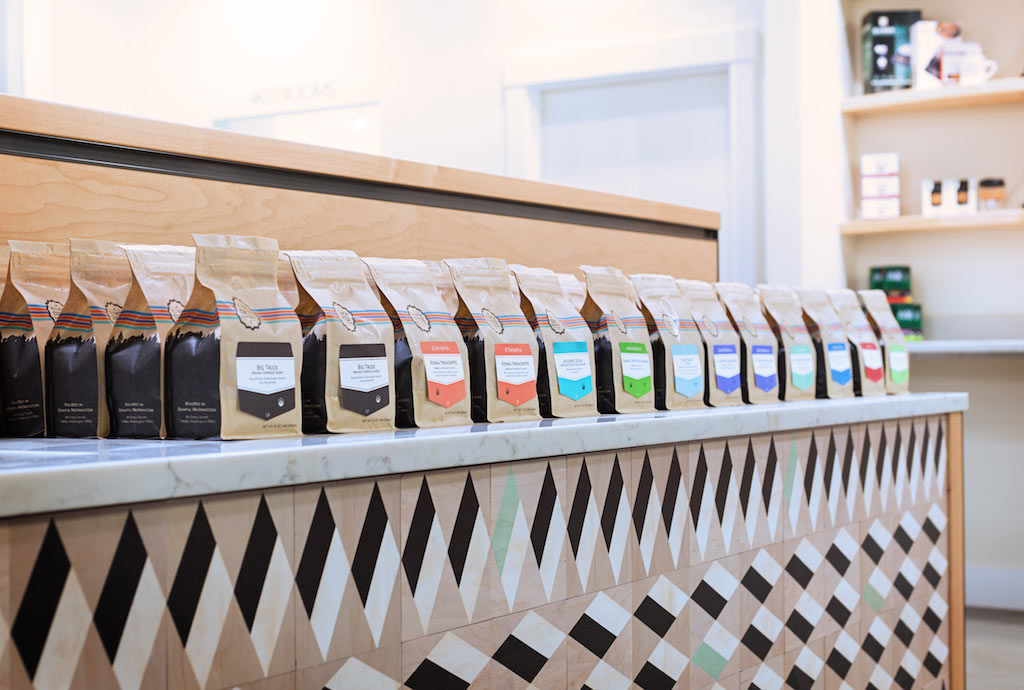
As I sit here, at 2:00pm on a Monday, drinking my 2nd, or 3rd, or 4th(?) cup of coffee, writing this blog entry for class, it only seems fitting that I incorporate coffee in some way. I’ve consumed plenty of coffee in my lifetime to have noticed a myriad of fair trade labels on copious bags of coffee beans, but what do they all mean? What does Fair Trade truly mean and is it actually fair for all actors involved?

To me, fair trade elicits an image of a farmer thousands of miles away on a small plot of land, harvesting coffee or cocoa. Cut to: a socially conscious 30-something year old perusing labels and determining which organic, fair trade coffee is the best. This is a gross overgeneralization of the fair trade industry, but it’s how the industry is generally portrayed.

Before taking a look at different fair trade labels, it’s important to know what fair trade truly is. In the most general sense, fair trade is defined as, “a movement whose goal is to help producers in developing countries to get a fair price for their products so as to reduce poverty, provide for the ethical treatment of workers and farmers, and promote environmentally sustainable practices.” The fair trade industry primarily consists of foreign-made products; however, a domestic fair trade market has been emerging in recent years. The assumption that only farmers in developing countries can benefit from the perks of fair trade is no longer the truth. For this reason, Fair Trade USA has begun certifying domestic farms to produce fair trade products, like the Wholesum Harvest farm in Nogales, Arizona.

Fair trade is an important practice because it establishes basic social, economic, and environmental standards in production and trade. Different fair trade labels have various requirements to fulfill these standards, but the premise is the same. Fair trade is meant to benefit and protect producers from exploitation. Currently, hundreds of products are made using exploitative labor, such as child labor and slave labor. Today alone, about 1,000,000 hours of labor will come from child labor, and an additional 65,000,000 hours of slave labor will be exploited from workers around the world. While Fair Trade practices can’t eradicate the millions of hours worked by exploited laborers, it does aim to reduce this harrowing number. Now, what are individual fair trade labels doing to ensure stability for the producers making the products?

This table aims to show how different fair trade certification labels compare to one another. Links to the various labels are found at the end of the document along with the products used for price comparison purposes. Credit: Author

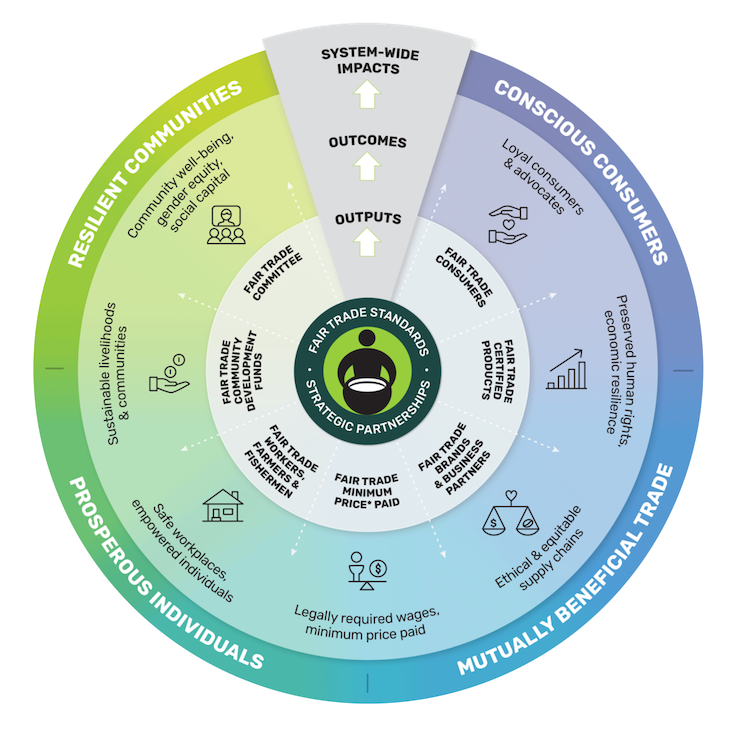
The table above outlines some of the various aspects that are important when considering fair trade labels. The labels range in size from 40 farms to over 2,000,000 million farms. The products included in each fair trade label are relatively the same. Additionally, the types of standards and practices instituted in each label are more or less the same, which makes it even harder to determine which label is the “best,” This “Theory of Change” graphic from Fair Trade Certified provides a great summary:

This chart provides a summary of Fair Trade USA’s standards, which are similar to many other labels’ standards. Source: Fair Trade USA

Now, I’m sure you’re thinking, but Kasey, isn’t this supposed to incentivize me to support fair trade? You’re just confusing me!! Who should I support? Just hold on and I’ll (try) to clear things up.

All of these labels claim to be better for the environment and producers than non-fair trade coffee, and I agree. As you can see, all of them have standards that they aspire to and require. The row of the table that was most intriguing to me is the final one, the all important price of fair trade commodities. There are clear differences between Folger’s coffee, and fair trade coffee (although some are surprisingly comparable). So, what makes fair trade coffee worth the price?

When fair trade emerged in the 1980s, it brought the stories of impoverished farmers to the world stage. Now, 40 years later, the outcomes of fair trade certifications are coming to light. Although the framework is set up for success, many farmers are still in poverty and now many brands are pulling out of fair trade agreements. Individual brands now have the capability to introduce sustainable practices without the overhead of a fair trade agreement. This may be because as Colleen Haight points out, “Fair Trade’s chief legacy may be greater consumer awareness among coffee drinkers.” However, that doesn’t mean there aren’t success stories in the fair trade industry. You’re just a Google search away from uplifting stories as a result of fair trade purchases.

In conclusion, I encourage you, the next time you’re at the grocery story, to browse your favorite product’s labels and see if it is fair trade certified. I know that I generally try to find the biggest bang for my buck, because coffee is expensive! However, it is worth looking into products with fair trade labels. They may not be a cure-all for the world’s ills, but they have the potential to help a farmer thousands of miles away (or right here at home)!

Check out the fair trade labels highlighted throughout this piece:

Fair Trade America

Fair For Life

Fair Trade USA

Equal Exchange

Rainforest Alliance

Products used in the comparison table:

Kirkland Signature House Blend Coffee, Medium Roast, Whole Bean, 2.5 lb – $12.99

Nicaragua “Miraflor”- 2 lb – $30.95

Blue Heeler – 1 lb – $14.25

Organic Breakfast Blend Coffee – 12oz – $38.40

Bulletproof Original Medium Roast Ground Coffee -12oz – $14.99

Folgers Breakfast Blend Mild Light Roast Ground Coffee – 25.4oz – $6.59

-Posted by Kasey

Posted in Uncategorized | Leave a comment

Chef Sustainable: A Guide on Keeping Veganism Affordable, Nutritious, and Waste-free

What benefits do a plant-based diet have?

According to the EAT-Lancet Commission, food is the single strongest lever to optimize human health and environmental sustainability on Earth. Individual changes do make a difference. Making changes in your diet is a great way to be more sustainable. In fact, one study showed that meat from ruminant animals like cows and sheep have nearly 100 times the environmental impact over plant-based foods. In terms of health, a plant-based diet is significantly better for your artery and heart health than a diet that consists of many animal products. Cooking your own food is healthier than eating out, and it is cheaper. Many other benefits come from a plant-based diet, as explained thoroughly in documentaries like The Game Changers, What the Health, and Cowspiracy. Even starting small like skipping meat on Mondays or trying a week of plant-based meals can be beneficial.

Where to start: Building a plan for plant-based meals

The first step to starting a plant-based diet is finding meals to cook that interest you. It is good to begin with meals that you are familiar with. It is also helpful to plan your meals ahead and have a grocery list. Below is an example of meals for a week. I do not have 7 different dinners planned because there are often leftovers with 1 person meals. It is important to know how much food you will eat and plan on eating leftovers to avoid wasting food.

Example of meals for a week. Credit: Author

Here are some recipes that I am using in the example:

After planning out the meals you want to have, it is useful to make a grocery list with the ingredients you need. I like to separate my list into sections like produce, bulk items, canned or boxed goods, and others. This will save me time when at the grocery store. Purchasing items from the bulk section will be cheaper than buying the individual packages. Dry bulk food will also last longer, as long as you have room for it in your pantry! Knowing how much food you eat before it could go bad is a vital skill that takes practice, but if you pay attention it will save you a lot of money. I have specific amounts of what to get below because I know how much I will eat, but take into account how much food you will be making and how fast produce wilts when buying your groceries.  

Example of a grocery list. Credit: Author

Organization:

It is very important to organize. It may seem like it takes a lot of time, but in the long run it will end up saving you time. Planning your groceries for the week are a great way to organize, as well as organizing your pantry and fridge. You can keep the taller items in the back and shorter items in the front, as well as your food that has a short expiration date. This will remind you to use the item before it goes bad. You can also plan what food you will make on what days based on your schedule. When you have this planned out, you can meal prep some of the larger meals for later in the week. For example, pasta salad is a quick and easy meal to prepare before the week begins which will then give you a quick lunch option throughout the week. Here is an example of a simple weekly plan.

Example of meal schedule for a week. Credit: Author

Tips for Avoiding Waste:

One of the biggest problems of cooking for yourself can be food waste. However, there are many ways to combat this problem if you are smart and resourceful!

  • It is okay to defy the recipe a bit. Some recipes call for ¾ of a can of diced tomatoes or beans, it is fine to use the whole can.
  • Use all your produce! For example, if you are cooking broccoli you can add the stalk to your dish as well. If you do not want to use an entire head, throw the rest in a container with other veggie scraps and make a vegetable broth later. You can also freeze produce that is nearing the end of its life to give it more time. It is additionally great to donate and/or share leftover food to friends or a local organization.
Vegetable Scrap Stock. Credit: Merle O’Neal Tasty Team

Conclusion:

Some weeks are busy and hard to plan, and that is okay! There are many budget and time friendly recipes available on the internet. There are also multiple apps that can be very helpful for meal planning. If you are feeling uninspired and need ideas for meals, there are also a ton of video resources out there. Here some of my personal favorite YouTube channels with meal idea videos:

It is okay if you are not doing any of this perfectly. Any effort is good effort. Remember, you have the power to make a difference!

-Posted by Jess

Posted in Uncategorized | Leave a comment

Farmers’ Perspectives on Climate Change in Albuquerque

It is no longer a question of when climate change will happen; increased temperatures, more severe wildfire seasons, and unpredictable weather patterns are already affecting us in New Mexico. According to 350NM, “New Mexico is the sixth-fastest-warming state in the nation. The average annual temperature has increased about 0.6°F per decade since 1970 or about 2.7°F over 45 years.” It is predicted that “severe and sustained drought [in New Mexico] will increase competition among farmers, energy producers, and cities.” In addition, “the fire season in New Mexico has lengthened substantially over the past 40 years—from five months to seven—and fires of more than 1,000 acres occur twice as often.” Hosting nearly half of the state’s population and located in a high-desert region, Albuquerque is especially susceptible to these changes.

Map of Summer Warming since 1970. Source: 350 New Mexico

Perhaps most concerning is the effect of climate change on local farms. I spoke with* Casey Holland from Chispas Farm, Seth Matlick from Vida Verde Farm, and Bethany Cote from Neidecker Farms here in Albuquerque about how each of them has been affected. They all pointed to unpredictable weather patterns as one of their main concerns. Seth Matlick said that “The winters have been colder and the summers hotter. The last frost date in the spring and the first frost date of the fall have been harder to predict and rely on.” Bethany Cote lost all of her fall pasture plantings for her chicken feed last fall [2020] due to the ground freeze around September 8th. Bethany said that after surviving through a 105-degree summer, the plants just could not survive such a harsh shift.

Increased drought has been especially detrimental to both Neidecker and Chispas Farms. The state told farmers this year to not grow crops unless absolutely necessary. For Neidecker Farms, this means they will likely not grow at all this year. They do not have access to a well or an acequia, so they rely on rainwater. Bethany said that “I want to be able to use the natural rain catchment systems and permaculture ways of doing things and I can’t really do that if it doesn’t rain.” The situation here in Albuquerque is so bad that Bethany and her partner have considered moving somewhere where there is more rainfall.

Low flow in the Rio Grande. Source: 350 New Mexico

For Casey Holland at Chispas Farm, the situation is not as dire, but she is faced with the reality that she will need to tap into groundwater even more this year, and her well is at risk of running dry. She says, “I’ve had several friends whose wells have run dry toward the end of last year that had never run dry before. I have a shallow well too, so it is always in the back of my mind that it could go dry any month now.”

Chispas Farm, April 22, 2020. Image from the Chispas Farm Facebook page

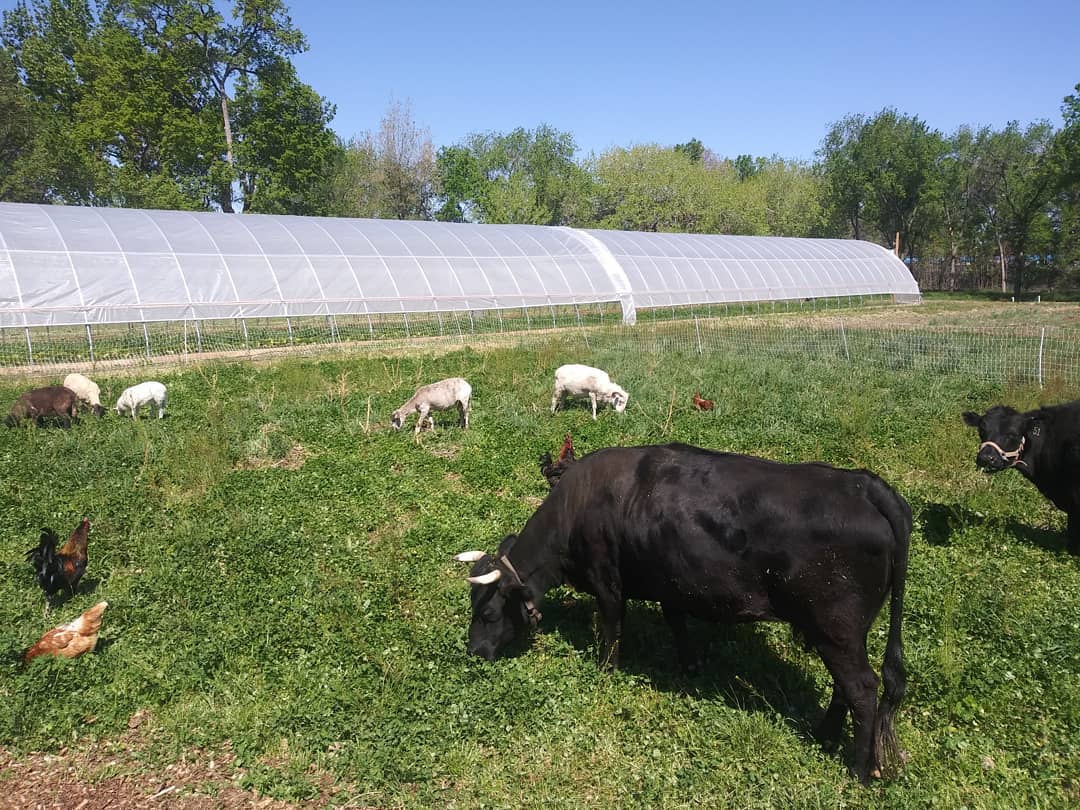
To adjust to a changing climate, these farmers have all had to build resiliency in their farming systems. Both Casey and Bethany are working on selecting livestock breeds that are tolerant to extreme weather, such as hotter summers and colder winters. They are also focused on building up their soil health. Casey makes sure to “have something growing on the surface at all times and that we have living roots in the soil and regionally-appropriate, drought tolerant things.” Seth Matlick is “building resistance by saving more seeds that are better acclimated to our growing environment and investing in season extension infrastructure to help adjust to the ever-changing weather patterns.”

Casey also uses Indigenous Farming techniques to help build resilience on her land. Chispas Farm implements acequia flood irrigation and waffle beds, a Zuni Pueblo technique, with the help of Reyna Banteah. Casey is also focused on shifting people’s education around food. She says, “We need more folks regionalizing their diets again. People need to know how to eat corn, beans, and squash, which can survive on little to no water.”

The Three Sisters crops. Source: The American Farm Bureau Foundation for Agriculture

Food insecurity is another concerning issue here in Albuquerque. Casey noted that the ongoing COVID-19 pandemic has made some people aware of how insecure their own access to food is. She believes that “Until we start getting really serious about analyzing the system as a whole, I’m thinking like nation-wide changes as how the systems are put together, it is inevitable that they are going to fail.” We saw this collapse happen last spring when the pandemic hit, and it is only going to get worse of we continue on the current trajectory of carbon emissions.

Because, according to Project Drawdown, food, agriculture, and land use produce 24% of global greenhouse gas emissions, it is important to support local farms who focus on sustainable practices. Casey Holland’s perspective is that “The best thing someone can do is to get to know a farmer and build that relationship now” and people should “start changing their own diets and where their food is sourced.” You can also help curb the effects of climate change by voting in local elections, flying less, reducing your consumption of animal protein, and supporting Environmental Justice movements.

If you want to learn more or buy these farmers’ products, you can reach out to them in the following ways:

Chispas Farm

@chispasfarm on Instagram

Chispas Farm on Facebook

Vida Verde Farm

vidaverdefarm@gmail.com

Neidecker Farms

neideckerfarms@gmail.com

Neidecker Permaculture Farms on Facebook

-Posted by Kineo

*Kineo conducted personal interviews with Casey, Seth, and Bethany on February 25th, 2021, February 28th, 2021, and March 9th, 2021, respectively.

Posted in Uncategorized | Leave a comment

The Superfood of Algae

Green foods do not tend to be the most popular of the bunch.

Although they are typically seen as the superfoods of the world, dark leafy greens, green tea, avocado, and seaweed amongst others, many people are distrusting of the color itself. “Color is the single most important product-intrinsic sensory cue when it comes to setting people’s expectations regarding the likely taste and flavor of food and drink.” On top of being the color green, the concept of eating algae does not perk up the taste buds of most people.

1

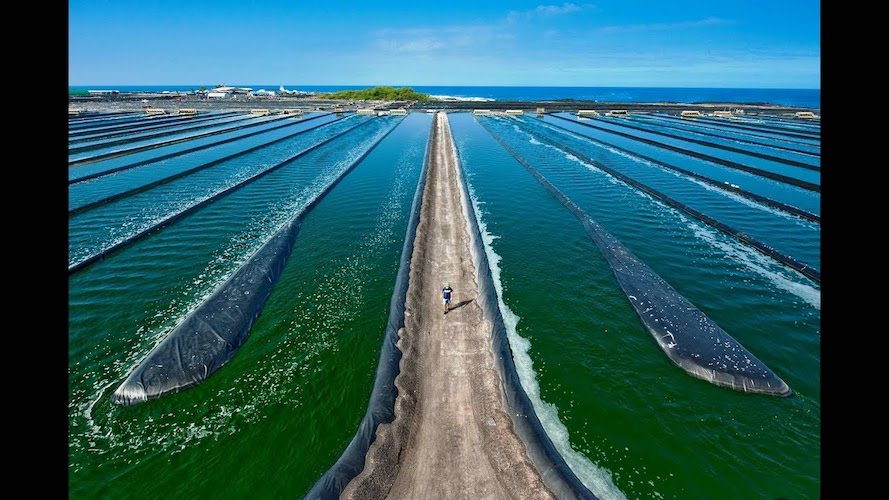
Hawaiian Spirulina Farm

Spirulina the Superfood
Spirulina, is an algae and classified as a cyanobacteria, or blue-green algae. This algae grows best in warm bodies of water and is often found in the ocean or alkaline lakes, and also has the ability to grow in spaces where other algae cannot, Africa in particular is a favorable location for Spirulina growth due to the temperatures in the region. Places in the United States range from Hawaii, California, Florida, and even New Mexico.

As ‘superfood-y’ as Spirulina is, it has yet to be signed off by the FDA, being that there is a lack of scientific studies proving its benefits. Truth be told I ran into Spirulina on Instagram from a health-conscious user whom I trusted, and then again at the grocery store when I found Nutrex Hawaiian Spirulina. I glanced at the label on the back listing the benefits and it caught me. Let me break down some of them:

  • Powerful antioxidant
  • High in protein and full of nutrients
  • May reduce the risk of heart disease
  • May reduce inflammation, especially in allergies, and boost immunity
  • May lower blood sugar
  • May possibly prevent fatigue
  • May protect the liver, brain, and kidneys

It’s a large list of “may” statements and was not/still is not completely backed by science in order to be prescribed. Nevertheless the nature of the benefits and the feelings of energy and immune support that I personally could feel, sold me.

Spirulina is a food of the past and future. “Aztecs harvested Spirulina from Lake Texcocoin central Mexico, and it is still harvested from Lake Chad in west-central Africa and turned into dry cakes.” Spirulina is rich in nutrients and essential amino acids, and is about 60-70% protein. Although it does not contain all 9 essential amino acids, making it unfit for complete protein dependence and support, it contains vital antioxidants that aid in repairing damage to cells.

Protein powders, creatine, and other forms of muscle-building supplements are additive intensive and can contain ingredients harmful to the user’s body. A major issue is the “FDA leaves it up to manufacturers to evaluate the safety and labeling of products,” making it potentially harmful as a consumer’s repetitive intake could lead to long term problems as well as add unnecessary sugars and extra supplements to the body.

Spirulina is solely algae, therefore it may not taste as wonderful as a chocolate protein shake, but with the right recipe, I argue it is actually better. Spirulina is also seen to come to aid for those athletes who depend on protein powders. “Antioxidants may help athletes recover from exercise-induced oxidative stress that contributes to muscle fatigue.” These same antioxidants are found in Spirulina, and include phenolic compounds, phycocyanins, tocopherols and beta-carotene. According to a 2010 study published in Medicine and Science in Sports and Exercise, researchers found that runners had an improvement in performance after taking Spirulina as opposed to taking other protein powders or having no substances at all.

Third world countries and the market of Spirulina
Spirulina has both local and global benefits, making it versatile and beneficial for a large range of people. An individual’s deficiency in nutrients can cause a weak immune system. Spirulina is seen to mitigate this deficiency by supporting the production T-cells. It can be easy to see the benefits of this superfood at a microscopic level, but the reality is this can be a helpful tool within third world countries that lack the resources and money to provide a complete nutrition and medical assistance for the population.

The micro-algae itself can come in various strains, each identifying with a unique combination of fats, starches, and proteins, making it useful in multiple ways:

  1. A food supplement used for high protein intake; beneficial in countries with malnourished children/patients with HIV/AIDS, while being able to establish a market within countries like the USA or Canada (strains such as Arthrospira platensis and Arthrospira maxima are commonly used for this).
  2. Oil used for bio-crude; if it has a high lipid count (substitute for petroleum, strains such as Botryococcus braunii or Chlorella ellipsoidea).
  3. Ethanol or biogas; if it contains high amounts of carbohydrates (Porphyridium cruentum and Spirogyra )

3

The growth of Cyanobacteria, or Spirulina

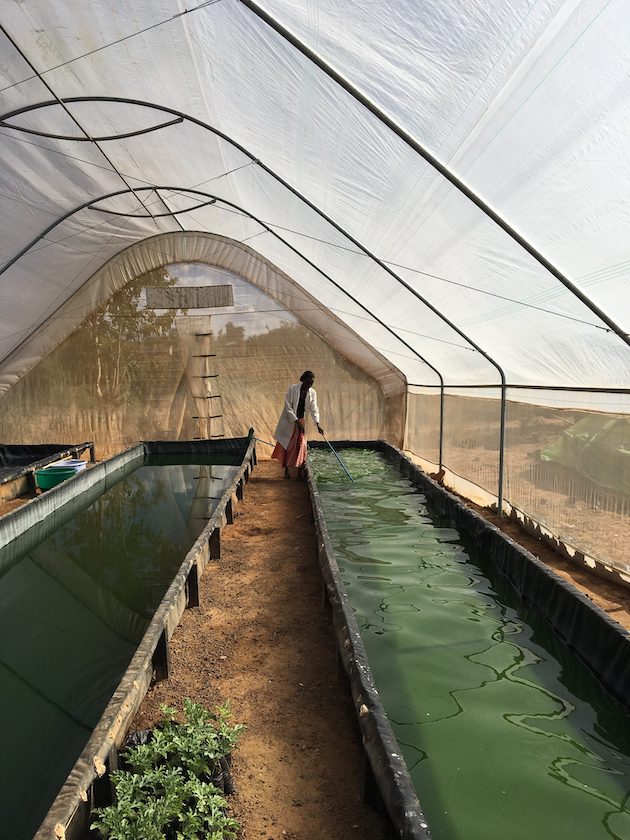
The first type mentioned, Arthrospira maxima, is also known as Spirulina. IIMSAM (Intergovernmental Institution for the use of Micro-algae Spirulina Against Malnutrition) has “feeding programs [that] are renowned throughout western Kenya and on peak production IIMSAM provides Spirulina for about 150-200 malnourished children, as well as HIV/AIDS patients.” One economic struggle that is faced in the production of Spirulina in this region is the need for water, requiring a constant flow from a well as opposed to from water trucks.

On the production side, there are various Spirulina markets. With regards to drug formulations, such as powders, tablets, or liquid, production regions range from areas inthe United States to Spain and parts of Africa. With the rise in disposable incomes, as well as necessity for solutions to cancers, cardiovascular issues, and immune diseases, the market for Spirulina is promising and is projected to reach $779 million by 2026. In terms of sustainability, it is important to note the production of this micro-algae should be avoided in fresh water areas as it can effect the biodiversity of the region. Though the production by essentially man-made fit tanks, “takes less land, water, and energy to produce than staple crops like corn and soy,” as well as pulling carbon dioxide from the atmosphere.

As Spirulina becomes a more scalable product, prices have dropped, with an average 16 oz container costing between $15 – $35 – depending on the brand and how it is produced.

Local growers, the benefits, and your own Spirulina 

4

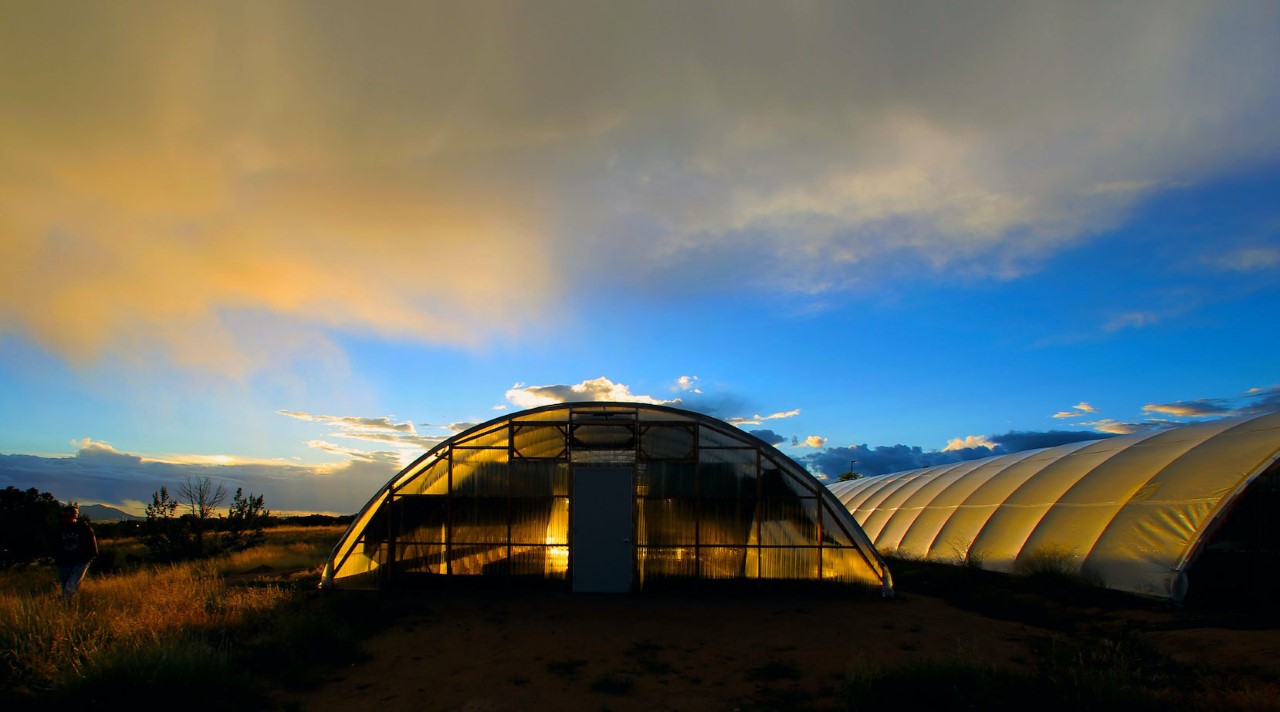
Apogee Spirulina, located in northern New Mexico’s Sangre de Cristo mountains

Apogee Spirulina is a producer in Santa Fe, New Mexico. Their production focuses on turning Spirulina into sprinkles in an effort to share the benefits of the algae. They are dedicated to the practice as it is very low impact, water based, and only needs the sun to flourish. The farm itself is located at the foot of the Sangre de Cristo Mountains in northern New Mexico. As the region recieves around 300 days of sunshine a year, solar is the farm’s main source of energy (and is perfect for producing Spirulina the way the French have spearheaded, in large ponds set inside greenhouses).

Spirulina has provided food security across the world and provided farmers and fisherman a shot at a profitable lifestyle through its growing demand. “Arthrospira require less land and water than others and can grow in climates where other crops cannot in the country.” Small scale farms allow people to be trained and become proficient in the practice, making the development of the market greater.

I was able to reach out to Apogee Spirulina owner Nicholas Petrovic who gave me a glimpse of his business and his admirable passion for Spirulina and the community as a whole:

How did you get into the market for algae production and what has been the top benefits you’ve encountered since you’ve started?

How I got into algae? In the Spirulina world it picks you  – you don’t pick it. I had moved to Santa Fe back in 2009 to get into the sustainability field, but was not sure what though.

I ended up in the algae world because of the biofuels program at Santa Fe Community College. It was the only program in the US back then. It was a blast because we were all cowboys in the field, if we had an idea we ran with it. What changed everything for me was going to France in 2012 and interning on an artisan Spirulina farm. The rest is history… The top benefits have been turning people on to it. Older folks don’t really like it, where as young kids love it. When they understand the nutritional punch Spirulina has they go for it. The protein it has is at 60%.

Are there specific benefits to growing in weather such as New Mexico’s?

New Mexico has a long history of algae cultivation that goes back to the late 70s. We have lots of sunny warm days, so it’s perfect. If you want, check out the Aquatic Species Program that was started by President Jimmy Carter.

What personal benefits have you experienced from Spirulina?

Personal benefits for me have been getting folks to try it and seeing and feeling what it can do for one’s health. I love the energy it gives me, it sits in the background and it lasts pretty much all day. It’s not like coffee that makes you edgy.

What is the typical price point you charge for Spirulina and where can people purchase it from your farm?

My regular price is $22 (for 100 grams) through the website and at the Santa Fe Farmers’ Market. Due to the COVID-19 pandemic I have dropped my prices to $15, as I want everyone to have access to it. In this time of crisis it’s important for me to give back to my community. It is not all about money. I entered this field for humanitarian reasons also, as a society we have to take care of each other and not worry about having to turn a profit all the time.

As Nicholas states, Spirulina can do wonders for one’s health. He displays the dedication to providing easy access and education to the community so that we may all enjoy the wonders of Spirulina.

To close, Spirulina can be taken in many forms, but without the tablets or sprinkles it leaves someone with powder, which can be a difficult substance to mask the taste of. Have no fear, some quick recipes include:

A Fruit Smoothie:

  • 1/3 cup Frozen strawberries/blueberries
  • 1/2 cup Banana
  • 1/2 cup Coconut milk
  • 1 tablespoon of Spirulina

A Sweet Smoothie:

  • 1 Frozen banana
  • 1/2 cup Coconut milk
  • 2 Dates (cut up)
  • 1 tablespoon of Spirulina

An Easy Snack:

  • A serving of Greek yogurt (any flavor)
  • 1 tablespoon of Spirulina mixed in
  • Granola of choice

An Acai Bowl:

  • Acai pack from grocery store (Sambazon Organic Acai)
  • 1/2 Banana
  • 1/2 cup of coconut milk
  • Granola of choice for topping
  • Fruit of choice for topping

In general, get creative. These are easy ways to incorporate protein into your diet while enjoying what you are eating in the process. Spirulina may become a quintessential part of people’s diets as more research is explored. The green micro-algae has numerous benefits especially for our growing and demanding society which looks for innovative ways to improve on what we have now.

You can find Spirulina at your local grocery stores such as Sprouts, Whole Foods, as well as on Apogee Spirulina’s Website.

-Posted by Eliana

Posted in Uncategorized | Leave a comment

We shall overcome

People living with a disability can function very well in all areas of the food system. Certain accommodations can lead to the individual living a more fulfilling and independent life. In this piece, I list the four major categories of disability (vision, hearing, motor control, and cognitive) and under each category I provide links to written and video recommendations for accommodations.  The accommodations are divided into categories of gardening & farming, shopping/obtaining food, cooking/preparing meals, and eating food (for a few disabilities where this poses a problem). Major types of disabilities are in purple text. The activities are listed in blue and written or video resources are listed in red.

Vision

GARDENING & FARMING:  People with vision disabilities face the hindrance of not being able to see what they are growing, but there are ways to overcome this, and receive the comfort and satisfaction that gardening and farming offer.

Written:
There is a resource where a volunteer will use video technology to help someone who suffers from vision difficulties, called Be My Eyes.

The University of Delaware site describes ways to overcome challenges of vision problems on farming and gardening.

These are some tips from an experienced gardener who is living with blindness.

Another site with tips for gardening for people living with vision problems.

Video:
A garden for people living with visual and auditory difficulties.

Garden tours in Australia for people living with vision difficulties

A journey with a farmer who lives with full blindness

A journey with another farmer who lives with full blindness as well as many other disabilities.

SHOPPING/OBTAINING FOOD: People living with vision disabilities face problems obtaining food, but listed below are ways they can overcome these difficulties and get high quality food.

Written:
A list of tips for shopping with vision disability.

Another list of tips for shopping with a vision disability.

Video:
A YouTube video where we are taken shopping with a person who is fully blind.

Another YouTube  video where we are taken shopping with a person who is fully blind.

A YouTube video where we are taken shopping with a person with vision impairment.

A YouTube video where we are taken shopping for general items with a person who is fully blind.

COOKING & PREPARING FOOD: Cooking can be a very difficult task for someone with either vision impairment or full blindness. These links provide tips and tricks for cooking with vision disabilities.

Written:
Be My Eyes is a resource where a person without vision impairments helps a person with vision impairments by using a video phone or device to describe what the person with the vision impairment is looking at.

A description of tips and tricks to help people living with vision impairments to cook.

8 tips for people living with vision impairment to cook.

A list of tip for people living with vision impairments such as reading labels, and hacks for appliances.

A list of tips and tricks for cooking and eating with vision impairments.

Video:
Cooking tip for getting ingredients into the pot or pan for people living with vision difficulties:

Cooking tips for people living with vision impairment.

Discussion about talking microwaves versus standard microwaves.

Winner of MasterChef shows how people living with vision loss can cook.

Cooking and cleaning tips for people living with vision impairment.

EATING:  Eating can be challenging for people living with vision disabilities.  Following are a list of tips and tricks to better eat food as well as etiquette for eating with someone who has a vision difficulty.

Dining etiquette for eating with people living with vision impairment.

Mealtime tips number 1 (color and organization of meal) for people living with vision impairment.

Mealtime tips number 2 (placement of food on plates, and instructions for describing the location of an item for people who are with someone living with vision impairment, and tips for dining out).

Independent living coach describes food bumpers for helping people living with vision impairments eat.

Tips for using color contrast to help people living with vision impairment in their kitchen.

Hearing

GARDENING & FARMING:  Although auditory disabilities don’t have as much impact on the steps in the food system that are covered here, there are some. Also, there is a lot of information about the therapeutic effects of gardening.

Written:
A resource for people living with hearing loss about the hobby of gardening:

Gardening tips for people living with disabilities in general, and hearing loss more specifically.

Video:
News story about a sensory garden for people with disabilities in general.

SHOPPING/OBTAINING FOOD: Auditory disabilities affect shopping less than other disabilities, so there are not many resources listed here.

Written:
General nutrition information for people living with hearing difficulties or full deafness.

COOKING & PREPARING FOOD; EATING:  I was unable to find any resources for people living with auditory disabilities because this disability doesn’t affect cooking and eating as much as other types of disabilities.

Mobility

Mobility disabilities include disabilities that require the individual to use a wheelchair.  It also includes disabilities that affect the use of the entire body.  Examples are spina bifida, spinal cord injuries and arthritis.

GARDENING & FARMING: People with mobility disabilities can be greatly effected in gardening and farming.  Following as a list of tips, tricks  and tools that can be used to overcome mobility challenges.

Written:
A list of websites for tools for people living with mobility disabilities.

A site describing tools for helping people living with a mobility disability to be able to garden.

A list of tips and tricks for the entire range of gardening, from raised beds, to weed control to plant selection, to help people living with mobility impairment garden.

Accessible gardening techniques for people living with mobility disabilities.

Gardening tips for the  disabled and elderly for gardening.

Video:
Tips and tools for helping people with mobility impairments to be able to garden.

A life hack for a kneeling pad for gardening.

A video with a lot of tips and tricks for gardening for those living with a mobility disability.

Raised bed gardening for people living with a disability.

Describing benefits of an assistance dog for people living with mobility disability.

SHOPPING/OBTAINING FOOD:  People living with mobility disabilities may face many challenges when shopping. The following list should help people with tips and tricks to overcome these challenges.

Written:
Q&A about general disability legal/ADA compliance issues for shopping.

Join someone who uses a wheelchair while they go grocery shopping.

Join another person who uses a wheelchair for general shopping.

A list of suggestions for grocery stores in regards to shoppers living with a disability using their store.

A website with tools and devices to help people living with a mobility disability in all areas of life.

Another site listing suggestions for businesses to make accessing their stores easier.

COOKING & PREPARING FOOD: Mobility disabilities can pose many challenges for cooking. Following are tips, tricks, and tools to help people overcome challenges in this area of life.

Written:
A website describing many areas of assistance available that can help people living with mobility disabilities in all areas of cooking.

A description of tips and tricks for cooking with a mobility disability caused by arthritis, in addition to eating well for health.

Ten tips for cooking with a disability or injury.

Cooking from a wheelchair; tips, tricks and hacks.

An article about cooking with a mobility disability.

Video:
Wheelchair cooking in a non-modified kitchen.

Cooking for people with disabilities that cause fatigue.

Cook with someone who uses a wheelchair.

A video on assistive technology for cooking.

EATING:  Eating can pose challenges to people living with mobility disabilities.  Following are resources to help people overcome these challenges.

Written:
Tips for eating right with arthritis.

11 Adaptive utensils and eating aids for hand tremors, dementia, Parkinson’s and stroke.

Living with a feeding tube.

A list called the Best Assistive Devices for People Living with Disabilities.

A list of tips and devices to help people living with mobility disabilities with eating food.

Video:
Google spoon helps people living with different mobility disabilities eat.

An alternative to the Google spoon called Liftware Level.

Cognitive

Cognitive disabilities are ones that include intellectual disabilities, autism spectrum disorder, some mental illnesses, brain injuries (Traumatic brain injury and stroke) and Alzheimer’s and dementia. These are basically any disability that is centered on the brain and its function.

GARDENING & FARMING: Cognitive disabilities can cause difficulty with gardening, but gardening is also shown to be therapeutic to many people living with cognitive disabilities.

Written:
An article about the benefits of gardening  for people living with cognitive disability.

An article called Gardening with Dementia.

An article called Benefits of Gardening for Children with Autism and Special educational Needs.

An article that describes the benefits of horticultural therapy for those with special needs.

Video:
Gardening for the Disabled, Learning Difficulties and Kids

Our Bury St. Edmonds Garden Project for People with Learning Disabilities

VR Simulator Training and Learning Tasks of Gardening for People with Cognitive Disabilities (Spanish)

Special Dreams Farm is a farm teaching people with cognitive disabilities and providing employment opportunities.

Another farm, called Smile Farm, providing people living with cognitive disabilities training and employment opportunities.

COOKING & PREPARING FOOD:  Cooking can pose many challenges to those living with cognitive disabilities.  Research has shown that cooking is beneficial to people living with cognitive disabilities.

Written:
A New Mexico resource for teaching cooking to people with intellectual disabilities.

An article called How to Teach Cooking to a Person with Intellectual Disabilities.

An article about teaching cooking skills to adults living with developmental disability.

Video:
A video explaining why it is important to teach cooking to children with cognitive disabilities.

Step by step instructions to cooking pizza for a person living with a learning disability.

A video about rice cooker cooking.

EATING:  Cognitive disabilities can cause trouble eating food. This section includes information on diet, tips for solving eating difficulties and people with multiple challenges of cognitive disability and an eating disorder.

Written:
Helpful general information about talking with someone with a cognitive disability.

A list of resources for nutritional educaation and food skills for people living with developmental disabilities:

Information for people living with a cognitive disability and an eating disorders.

Video:
Video called Transitioning to Adulthood.

A video discussing the correlation of overeating and cognitive disability.

A video discussing nuanced care for patients with intellectual disability.

A description of thickening drinks for people living with dysphasia.

The La Montanita Coop delivers food to seniors and those living with a disability  (Albuquerque, Santa Fe, Gallup).

This is a list of CSAs and delivery services for local farms to deliver fruits, vegetables, meat and eggs and dairy, and even baked goods to your door.

-Posted by Dani

Posted in Uncategorized | Leave a comment