The Urban Caprine

Haven’t you heard? The caprine’s the word.

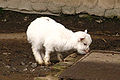
That’s right, goats.  In case you aren’t already in the know, I’m here to show you that a goat can be a valuable asset to your backyard farming experience.

Here’s a quick run through of some of the unique benefits to keeping goats:

  • Fiber: Dwarf and pygmy goats can provide fleece. Pygora and Nigora goats are bred especially for this purpose.
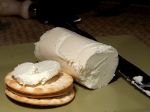
  • Fresh milk: Nubian, Mini Nubian, French Alpine, and African Pygmy are dairy breeds. You can make homemade cheese, yogurt, ice cream, and soap.
  • Garden and yard maintenance: nitrogen rich manure for fertilizer and weed reduction
  • Sustenance: Goats can be used for meat consumption.
  • Companionship: Apparently, goats make great pets. Wethers, neutered male goats, are best for those seeking pet companions.

But wait! Before you jump in…

Make sure to think ahead before becoming an urban goat keeper. Use your imagination first: What do you want from your goat? This determines breed, sex, and number of goats you should keep. Make sure you have enough time to invest. Pygmy lifespans are about 8-10 years. Does will need to milked at least once a day. Keep in mind that goats are companion animals, so solitary goats can get lonely.

The Nigerian Dwarf Goat Association provides some useful information about various kinds of goats. It’s also helpful to find a local connection too. You can start here in Albuquerque by contacting Christine Chavez, of the Valley Flowers Farm located at Los Poblanos Historic Inn and Organic Farm. She has a wealth of knowledge and can hook you up with a local kid, doe, or buck.

Assess any potential obstacles before taking your goat home. Talk to your neighbors about it and give them some information about goats to help avoid potential issues or quarrels. Remember, if you have a buck, he is going to smell. Research the local zoning laws pertaining to livestock. In Aluquerque for instance, as long as a residential lot is at least half an acre (21,780 sq. ft.), one goat can be kept per 4,000 sq. ft. of open space.

Determine what kind of supplies, shelter, storage, and other necessities you will undoubtedly need. Proper fencing will discourage the escape artist goat (or potential prowlers). Avoid planting things in the goat’s vicinity that you don’t want eaten. Play space and climbing structures are good to have. Naturally, goats love to play so climbing structures are ideal. Anything from a pile of rocks to a small playground structure will work.

So now you have a goat, then what to do?

Have fun with your new goat friend. Christine recommends joining a goat club. Clubs are fairly inexpensive and offer competition opportunities for you and your goat. The worth of a goat who receives prizes is higher than a goat who hasn’t.

Experiment with and perfect you cheese and soap making skills. There are so many different DIY goat milk products you can make. Involve your friends or neighbors too. Maybe you can barter for other local food items

Get out with your goat. Go up to the mountains for a grazing excursion or maybe just a leisurely afternoon walk? The possibilities are wide open, you just have to decide if you are ready to embark on a new form of urban farming!

-Posted by Jill

Posted in Uncategorized | Leave a comment

And Then…There Was Food

“When diet is wrong, medicine is of no use. When diet is correct, medicine is of no need.”

-Ancient Ayurvedic Proverb

Before the rise of industrialization, there were no ‘medicine cabinets’ full of little orange prescription bottles. There were herbs, potent from their recent bond to the earth, and then…there was food. Food that our ancestors grew and cultivated, born of diverse varieties that held high nutritional value. At the point where herbs were traded for pills, and nutrient-rich vegetables for processed, packaged meals, flooded with fat, cholesterol, and high caloric content, US society saw an extreme rise in obesity and chronic degenerative diseases.

The good news is, statistics back this pattern. America spends $2.2 trillion dollars a year on healthcare. According to the CDC, “More than 75% of health care costs are due to chronic conditions.” Currently, half of Americans are taking a prescription drug, as noted in the documentary, Forks Over Knives. Yet, one in four Americans will develop diabetes in their life, and the CDC reports that 2/3 of the nation is weighing in as obese or overweight. “Despite the nation’s massive healthcare bill, research shows that Americans die earlier and experience higher rates of disease than people in other countries,” states The Huffington Post. The number one cause of death in America is heart disease, which kills over 600,000 people a year (Forks Over Knives). We could potentially be facing a dreary future, and the answer is not another pill, or five. For once, the epidemic we face is avoidable, and it all starts with food.

Eat well now, avoid potential health costs later. In the film Forks Over Knives – which examines the benefits of a whole foods, plant-based diet – one patient with particularly dire health conditions makes a significant improvement, simply by redefining the way he eats. By eliminating meat and animal byproducts, he is able to reduce or eliminate nearly every one of his two dozen health problems. Uva Mason, a local clinical dietitian, shared similar stories of healing, through treating her patients with food. “In working as a clinical dietitian, most of treatments of these diseases include educating people on including more whole grains, fruits and vegetables in their diet, and explaining on how to eat less meat and animal products. The whole practicality of being vegan coincides with all the recommendations for preventing and treating these leading causes of mortality.”

When food becomes medicine, there are always a few in-season, nutritious staples to keep on hand. Here are three delicious spring season picks:

Chard– Referred to as a “nutritional powerhouse,” it can easily be grown in New Mexico. Chard contains 13 phytonutrients, which help regulate spikes in blood sugar after eating. It is a great source of vitamins K, A, and C, and also contains fiber, protein, calcium and magnesium. The stems and leaves can be steamed or sauteed.

Asparagus– With a great nutritional profile, asparagus contains vitamins A, C, E, and K, antioxidants, folate, and fiber. It also contains chromium, which allows insulin to transport glucose from the bloodstream to cells, and glutathione, a detoxifying element that helps break down carcinogens and free radicals. Eating asparagus may help protect against and fight certain forms of cancer, such as bone, breast, colon, larynx and lung cancers.

Ginger– Ginger is a tonic for digestion, and a remedy for swollen joints. It has many antioxidants, and anti-inflammatory effects. Ginger can help rid a cold, as well as subside nausea. It grows in sun or shade, and year round in a window sill, and flourishes if transferred outside in the summer.

Each and every day people are making the switch. The switch to reconnecting with their food, their health, and in return, connecting with their community. Not too long ago, I decided to make the change myself. Initially, it was the difficult process of giving up meat. Since then, I have devoted my diet almost entirely to plant-based, organic, and local foods. My long journey with this diet has been a series of mistakes, and valuable lessons learned. I was the naive 15 year old junk-food vegetarian and animal rights advocate. Six years down the line, I have emerged, a health conscious and sustainability-driven individual. Plentiful culinary masterpieces make up for my many failures in the kitchen. Among my tips: choose in season produce at a local farmers’ market, for optimum quality and incomparable taste. Buying primarily produce is the cheapest way of eating I have ever come across, and being the typical broke college student, I will take what I can get. Follow the links for some phenomenal recipes that can be cooked with New Mexico grown products. In order to find what is both local and available by season, check out Local Harvest or The Seasonal Food Guide.

Try these wonderful and simple vegan recipes with a local, spring ingredient:

Barley and Swiss Chard Skillet Casserole

Spring Vegetable Stew

Carrot Ginger Cupcakes

-Posted by Kara

Posted in Uncategorized | Leave a comment

Working to Preserve Local Seedlinks

Each seed preserves important information about its unique past. Some seed varieties have been developed and passed down by family farms and within communities for many generations. Heirloom seeds are intricately connected to the history of the land they have been grown on, and the people who have cultivated them. Cultivating traditional seed in our own fields is one of the best ways to protect against the loss of agricultural diversity.

According to an article in the Economist, “It is hard to quantify how much this matters; but the long-term risks are potentially huge. Agricultural biodiversity is the best hedge against future blights, including pests, diseases and climate change.” Although industrial farming and commercial seed allow for the mass production of food, there nevertheless remains the need to protect and maintain local seed varieties. The ability of local farmers, however, to save and preserve the survival of their heirloom seeds continues to be threatened by the intrusion of foreign seed varieties.

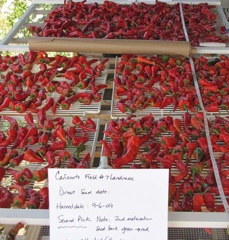
Some local farmers are taking measures to protect the seed varieties that have been developed for many generations in their particular location. By doing so, they are persevering the heritage in the seeds they steward. For example, here in New Mexico Loretta Sandoval (Zulu’s Petals Organic Farm) is currently working with her neighboring farmers in Dixon to protect and preserve their  landrace chile peppers.  The local chile seeds of this community have been maintained now for two hundred years.

Even though the neighboring farmers are not currently using genetically modified seeds, they still face a number of challenges in preserving their local crops. One challenge they face is to grow enough chile to maintain the unique gene pool. With a background in biology and horticulture, Sandoval knows that if this challenge is not addressed it can lead to population bottleneck which can result in important losses of gene variants.  Furthermore these losses can be permanent, as she commented in El Palacio, “The landraces are not dead yet, but they’re highly endangered… If they die out, hundreds of years of New Mexico agriculture and stewardship go with them. There’s no turning back the clock.”  In an attempt to keep their particular landrace alive, Sandoval has been collaborating directly with neighboring farmers to increase their crop size and thus to preserve the chile’s unique gene pool. She also maintains an extensive seed bank of landrace and heirloom seeds from other farms within 20 miles of her own.

The number of small local farms in this country has drastically decreased. For example, the number of small farms has shrunk from about 6.8 million in 1935 to less than 2 million in 2007. With the loss of small local farms, we lose knowledge about how to grow within a particular micro-climate and save seeds for the following year. Traditional small farmers intimately knew the seeds they were planting in their fields. Here in New Mexico droughts, strong heat, variable temperature fluctuations and the particular pests and challenges of the region place unique challenges on our crops.  The plants that perform best under these circumstances, if drawn upon for seed, will render the subsequent seed genetic pool more capable of performing within the unique micro-climate.  Traditionally farmers engaged in seed swaps and exchanges directly with neighbors and those in their community. These practices encouraged crop diversity, while maintaining the seed adapted to local conditions.

The trend of relying on corporations to provide seed has drastically changed the practice of agriculture. A figure that points to this trend is the massive decrease in seed diversity. According to the UN’s Food and Agriculture Organization about 75% of crop biodiversity has been lost from the world’s agriculture fields. These “corporate seeds” are foreigners to the local varieties. Instead of being adapted to a particular climate region, as heirlooms are, they are instead genetically engineered to produce across diverse conditions.  Furthermore they are specifically developed to produce with characteristics such as uniformity, shelf life and the ability to be harvested and shipped using machinery. Thus the history and the local character of the seed variety can be lost when substituted for commercial seeds.

Even if a particular farmer chooses to preserve her own heirloom seeds, she still faces many challenges if neighboring farmers are using commercially produced seeds.  Farmers who choose to use commercial seed must often enter into a contract in order to have the right to use them. Seth Roffman (Green Fire Times) notes that “The contract specifies that these seeds cannot be saved and replanted. However, it is very easy for these genetically engineered crops to cross-pollinate and contaminate neighboring fields. Biotech companies have sued neighboring growers across the US for ‘stealing’ their patented seeds.” A danger that private farmers now face is that cross pollination with a genetically engineered (GE) plant, which many farmers call contamination, threatens their ability to save and maintain their own seeds. Furthermore, farmers can be sued for patent infringement due to accidental cross pollination with a GE plant. Cross pollination with a GE plant can destroy the genetic pool of a traditional crop altogether.

Even though there are local farmers and scientists who are working hard to preserve traditional seed varieties, we too can support the preservation of our historical seed link. Learning about the importance of protecting and maintaining local seed varieties can motivate us to preserve the links to our heritage. Purchasing from farmers who are working to preserve these seed links helps directly support the important and valuable work they do. Thus, to protect our heirloom seeds for future generations we should do what we can to support traditional local farmers in the present.

Posted in Uncategorized | Leave a comment

Rotations of Life

Soil is the most crucial component to a process that feeds the world one person at a time.  Soil is everything to a farmer and can determine if a crop will thrive or take a dive. In order for soil to be healthy and give high yields, crop rotation is key. Crop rotation allows the soil time to rejuvenate nutrients, bacteria and richness. This technique of farming is sustainable and naturally produces a much more wholesome product. But, it doesn’t stop there: crop rotation also defends against disease and insect invasion.

The Great Dust Bowl is a perfect example of what can happen to cropland if it is poorly managed. In this instance farmers were monocropping, which depletes the soil of nutrients and makes crops more prone to disease and insect infestation.  The Dust Bowl was directly correlated with poor agricultural practices. The dirt was tilled deeply and became unstable when crops were unable to grow in the drought conditions. Farms turned into huge dust highways. Instances like this lead to smarter and more efficient ways of farming.

Crop rotation is the most efficient way of farming.  Rotating crops give life to the soil. For instance, while some crops use a lot of nitrogen others will replace it.  This technique is a fine balance and can be controlled by legume cover crops.  Cover crops include various species of plants that are rotated on the same field to create biodiversity and to replace nutrients that may have been sucked from the ground during the previous harvest season.  Changing the type of plant grown builds immunity to disease, while also providing natural weed deterrence and soil stability.  The soil becomes more fertile and is able to hold more moisture. Another positive aspect of cover crops is the carbon sequestration created by biomass accumulation. A local farmer who uses this technique is Jedrek Lamb.

Jedrek’s farm, Granja Para Mañana, is in Bosque Farms, New Mexico. He is a successful small scale farmer and an NMFMA board member involved with local foodshed development. He has founded his own growers’ market in Albuquerque, New Mexico, and manages the market’s sales. Visiting Jedrek’s farm was an eye-opening and inspirational experience, to say the least.  It was impressive to see how much food he was able to produce on his two acre plot of land. His knowledge of and love for the land is returned to him through abundant, high quality produce. His style of farming is an ever changing process and he allows the land to speak for itself. As with his style of farming, the rotation of his crops varies and always leaves the possibility for change in plans.

During the time I spent on his farm, Jedrek presented his crop rotation plan to me, displaying a square divided into four different quarters. Each grid contains either a food crop waiting to be harvested or a cover crop. He uses legumes and different grasses as his cover crops, some of which can grow to be over eight feet tall. These cover crops are then broken down and plowed back in to the soil. By rotating through these four different plots, Jedrek can produce crops on his farm throughout the entire year. Unlike the majority of farmers, he takes a more relaxed approach to the timing of his incoming produce and does not rush anything, always giving the plant a chance to grow at its own rate.

Jedrek is an extremely optimistic man who knows with hard work and dedication, results will follow. However, his biggest source of satisfaction comes from his family and friends.  The piece of land that he cultivates originally belonged to his grandparents, which he continues to use to feed and support his family. Jedrek sells at multiple growers markets, and also sells to Farm and Table Restaurant. All remaining produce is given away to those in need to ensure none of it goes to waste.

After our discussion, I spent the remainder of the afternoon planting peas with Jedrek and his family and I couldn’t help feeling optimistic. The whole process of creating healthy produce that feeds not only his family, but numerous people in the Albuquerque area is something astounding. Aside from just that, the kind, welcoming attitude of the entire family is rare in this day and age. As I was leaving, Jedrek kindly sent me off with a bag of fresh lettuce that topped any I have had to this day. As his mom said, “I can’t eat any other lettuce after Jedrek’s,” and he replied, “the first one’s free.”  Now I am hooked and have to go back. Overall I had an awesome experience and learned a lot of about the growing process and crop rotation on his farm. I recommend everyone go and visit Jedrek at one of the growers’ markets he attends, you will not regret it!

-Posted by Robby

Posted in Uncategorized | Leave a comment

Seeds of Connection: Benefits of Growing a Community Garden

When was the last time you really talked with your neighbors? Do you even know their last names? The chances are that you can’t match a face to a house even though you live 50 feet away. I have moved many times and this lack of hospitality always astounds me. You may be very different from your neighbors, but this is no excuse to not know them. By remaining strangers you are creating a less hospitable environment for the whole community. Connections bring security and peace of mind to everyone who is involved, so why aren’t we working toward a safer place to live when it is as simple as a friendly, “howdy neighbor?”

With such a distance forming between neighbors in a community I asked myself what would be the best way to bring people together? How could we form connections that would be both beneficial and pleasant? My solution was a community garden. Gardening is an activity that can be shared by all age groups. It can bring healthy food to your dinner table, and most importantly if done communally, gardening can grow connections.  More and more people are becoming aware of what they are putting into their bodies, and local alternatives are being sought out on a regular basis. They want to know where their food is coming from and if they can feel good about eating it. Some communities have expressed these concerns and are now taking action. Community gardens may sound like a WWII effort to benefit the troops, but local gardening may be more important today than ever before.

I had the pleasure of visiting two very different community gardens here in Albuquerque and can say that both gave me so much hope for our city. The first garden I went to was Growing Awareness Urban Farm, located in the international district off Central in an area that at first glance might seem run down. The whole operation is much larger than just a garden, focusing on microenterprise and getting disadvantaged youth involved in jobs ranging from pruning to making ceramic ollas for planting. They run their own co-op and even have a free clinic.

John Bulten started the farm on his own and found the area to be suitable for an urban farm because it supplied a community that could benefit from it. He told me that in the beginning people were a bit wary of what he was doing and most just watched, but it centralized the community’s focus. After just one year, those who were once bystanders now became active members of the community garden. People donated their time to beautifying the neighborhood and brought other community members in with them. An after school program was established for the local kids, giving them a solid foundation to build on. Some of these children have grown up, started attending university, and are now mentors to the new children in the program. The garden creates opportunities that may not have existed before for neighbors to meet one another, keep eyes on the community, and put healthy food on the dinner table.

This slideshow requires JavaScript.

The second garden I visited was at the Sawmill Restoration Project. This is an area of town that has been restored from an industrial cesspool into a quaint living community for senior citizens. About three years ago a few members of the community came together with the simple idea of growing their own veggies. With a little planning and some donated beds for planting, these few seniors formed a garden right outside of their recreational area. Prior to the garden the land trust did have dwarf fruit trees around, but it was purely the work of the community that the gorgeous garden came to be. Now this tucked away area is frequented by people of the community on a regular basis. People are getting out of their homes and working on something they can be proud of – while meeting their neighbors. Wade Patterson, the manager of the land trust, explained to me that the garden has actually made the community a safer place to live. People know one another better from time spent working together, and more importantly now recognize when someone may seem suspicious.

A community garden is so much more than an aesthetically pleasing feature. It brings a neighborhood together. Connections are grown and people can feel safe knowing who lives near them. Children are given a solid foundation and a connection to the earth through gardening, and everyone involved can be happy with what they are eating. So next time you drive past that empty lot, don’t look at it with discontent, look at it with potential and hope for a happier community.

-Posted by Benjamin

Posted in Uncategorized | Leave a comment

Feeling Insecure?

I arrive at the Albuquerque Storehouse at 8:00 am on a Wednesday morning. The doors don’t open until 8:45 and already the line has snaked around the building. In 2009 New Mexico was ranked twelfth on the list of most food insecure states in the nation; one in every six New Mexicans will seek food assistance this year; and furthermore 43% of New Mexicans benefiting from food assistance are children.

The Storehouse is the largest “Food Rescue, Food Share organization in New Mexico” and currently provides food assistance to about 360 people per week. Citizens can visit the Storehouse once a month for food and once a month for clothing. They require only a New Mexico ID, and no proof of financial insecurity. This makes the Storehouse an excellent resource for people who are currently facing an unforeseen hardship and may need extra help to get themselves and their families through the month.

I met with the Storehouse’s press representative Lisa Giering who spoke to me about the inner workings of the pantry. The Storehouse is a partner of the New Mexico Roadrunner Food Bank, which distributes over 26 million pounds of food to New Mexico food pantries every year. While both institutions are nonprofits, the Storehouse must pay for the food it receives from Roadrunner, at nineteen cents per pound of nonperishable items, plus the cost of transportation.

In fact, most of the food the Storehouse distributes is purchased with a yearly food budget of about $58,000, or 10% of their total yearly budget. Lisa explained how the bureaucracy of food pantries can be challenging. Lack of resources such as available grants and willing donors can create some competition amongst groups like these. Yet Lisa seemed able to focus on the reason these agencies exist: “I feel that if someone gets fed, no matter how they get fed, it’s a good thing.”

To me her statement brought up larger issues of nutrition and sustainability that can be difficult to reconcile in these situations. When I visited the Roadrunner Food Bank I was shocked by the 500 pound bag of Captain Crunch cereal and the pudding snack packs that were finding their way into children’s after school backpacks. Yet chances are the snacks would really help these kids over the course of the weekend, when they weren’t being fed at school. Lisa pointed out the health paradox so many New Mexican children are suffering from: many are overweight and malnourished.

I asked Lisa if the Storehouse held any partnerships with local farmers, and unfortunately the answer was no. She said that she had been approached by local groups but no one had followed through. Also that it’s “hard to count on local farms” and even harder to transport produce and keep it fresh long enough to distribute it. The Storehouse takes donations of all kinds and sizes. If you find yourself with a surplus of fruits and veggies, or you want to make a difference in your community, no matter how small, you can bring donations to the back entrance of the Storehouse located at 106 Broadway SE. As Lisa said, “Small change, small involvement, is still powerful.”

Here’s what I took away from this experience: it’s important to get involved with organizations like the Storehouse, whether it be because you or your family is in need of some food, or simply because you want to make an impact on your local community. Lisa and I discussed the ways in which Albuquerque is growing socially and economically as a city, “but not for everyone that it should be.” With the influx of the film industry and hip places like Nob Hill and Downtown, it seems easier to gloss over the fact that New Mexico has one of the highest rates of poverty in the United States, and that almost 50% of single mother households live below the poverty line. While some of us are disconnected from the realities of these statistics, visiting the Storehouse, bringing donations, and volunteering can help to ground us, and remind us what it means to live sustainably.

-Posted by Magdalena

Posted in Uncategorized | Leave a comment

Planning the Spring Market

The UNM Sustainability Studies SUST-364 Growers’ Market Practicum students have been hard at work learning about our local foodshed and planning the 5th Annual Sustainability Expo & Lobo Growers’ Market. The growers’ market will be back on campus for an Earth-Day inspired event on April 23, 2013 from 10am-2pm on Cornell Mall.

For the last two months, students have been researching the logistical aspects of planning and managing growers’ markets, while simultaneously organizing the on-campus Lobo Growers’ Market event. The class has received guidance from numerous campus and community experts, and has had the opportunity to attend a variety of fun and educational field trips.

Experts:
Tiffany Terry (MRCOG Agriculture Collaborative) talked to us about the Agriculture Collaborative and the Central New Mexico LandLink program.

Jedrek Lamb (Granja Para Mañana Farm) discussed his work as a board member of the New Mexico Farmers’ Marketing Association and the Albuquerque Growers’ Market Alliance. He also shared his perspectives on starting the Albuquerque Northeast Height Farmers’ and Artisans’ Market, and on making ends meet as a local farmer in Bosque Farms.

Avery Anderson (Quivira Coalition Executive Director), reviewed Quivira’s history as a “do tank” and shared information about their new agrarian programs and land restoration workshops.

Shawn Weed (Chartwells Executive Chef) gave us the low-down on purchasing and preparing campus food, and took us on a behind the scenes tour of La Posada Dining Hall.

Gina Meyers (Downtown Growers’ Market Manager) described her top ten tips for holding a successful market event and being a reliable market manager.

Sarah Wentzel-Fisher (Editor of edible Santa Fe and Assistant Membership Coordinator at La Montanita Food Co-op) provided insight on how to effectively advertise a growers’ market event on campus and how to engage with more partners and stakeholders in the local food system.

Field Trips:
We performed a market assessment and bought seasonal produce and value-added items at the Santa Fe Winter Farmers’ Market.

Our group learned about food insecurity in New Mexico and saw first hand the ways Roadrunner Food Bank is combating hunger in our state.

Shawn Weed took us on a tour of UNM’s La Posada Dining Hall, and treated us to a delicious, healthy lunch!

We spent a crisp, clear morning with farmers from the Fairfield Growers’ Cooperative pruning apple trees at the Historic King Apple Orchard in Albuquerque’s North Valley.

Another gorgeous (albeit blustery) morning was spent plating hundreds of leeks and onions at Sol Harvest Farm, on the property of and Farm & Table Restaurant.

We’ll also be going on a field trip to the La Montanita Co-op Distribution Center warehouse and the South Valley Economic Development Center “Mixing Bowl” commercial kitchen, in conjunction with this week’s Beyond Pesticides conference!

Can’t wait for this year’s Lobo Growers’ Market? Check out video clips from local television stations, KASA and The Mtn, to see their coverage of last year’s event. Stay tuned for more information about the market and join us for a four part film series during the month leading up to the event.

Posted in Uncategorized | Leave a comment

Food Film Series – Part Deux

Film Flier-2

Join us for To Market, To Market, To Buy a Fat Pig, the second in a series of four engaging films on food, agriculture, health and sustainability that will be shown during the month leading up to the 5th Annual Sustainability Expo and Lobo Growers’ Market event. Help us build a community of sustainable agriculture advocates and generate buzz about the Sustainability Expo on April 23rd!

The films are free and open to the public. Refreshments will be provided, and discussion will follow each film.

Next week’s film is Fresh. Stay tuned for more details, or see the full list of screenings.

Posted in Uncategorized | Leave a comment

The Food Film Series Begins!

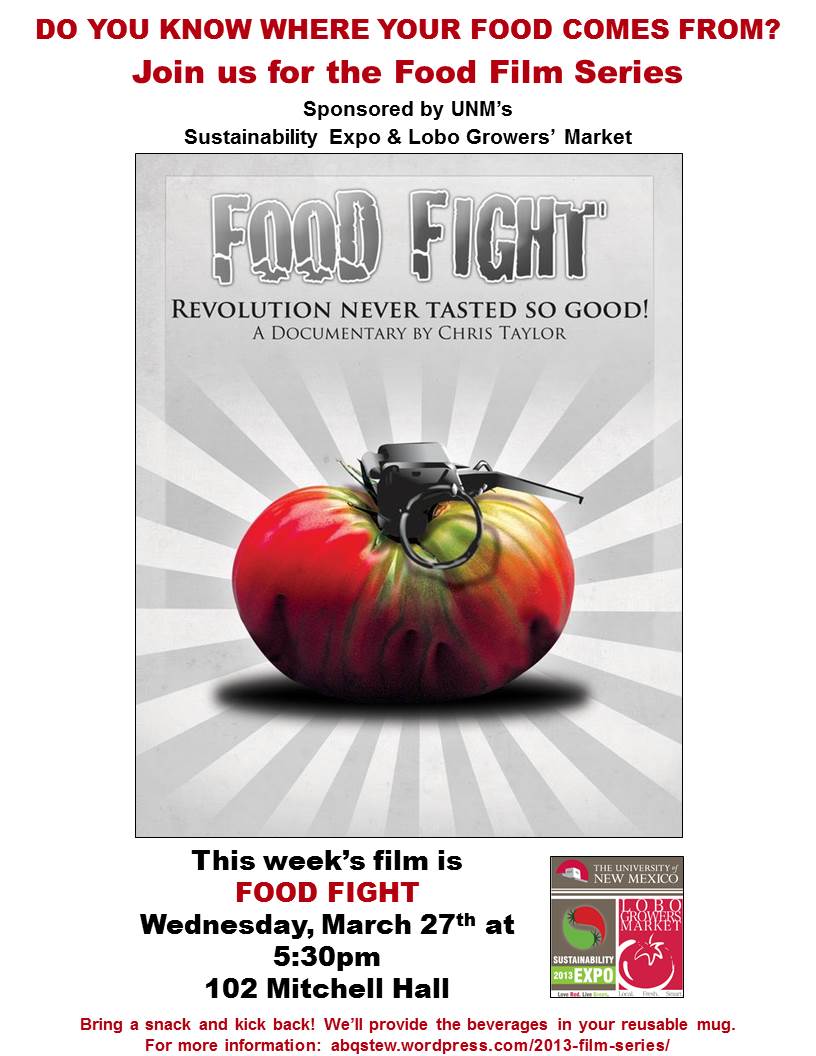
FoodFilmSeriesFlyer

Join us for Food Fight, the first in a series of four engaging films on food, agriculture, health and sustainability that will be shown during the month leading up to the 5th Annual Sustainability Expo and Lobo Growers’ Market event. Help us build a community of sustainable agriculture advocates and generate buzz about the Sustainability Expo on April 23rd!

The films are free and open to the public. Refreshments will be provided, and discussion will follow each film.

Next week’s film is  To Market, To Market, To Buy a Fat Pig. Stay tuned for more details, or see the full list of screenings.

Posted in Uncategorized | Leave a comment

Food Film Series

FoodFilmSeriesFlyer_All

Posted in Uncategorized | 1 Comment