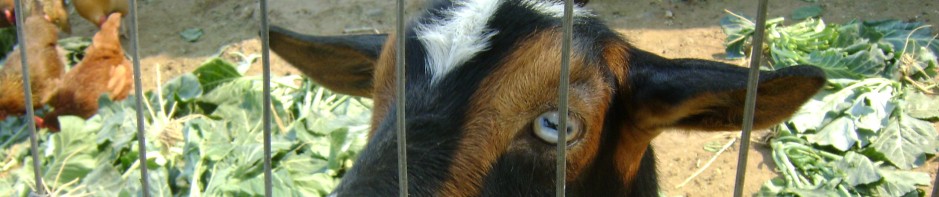
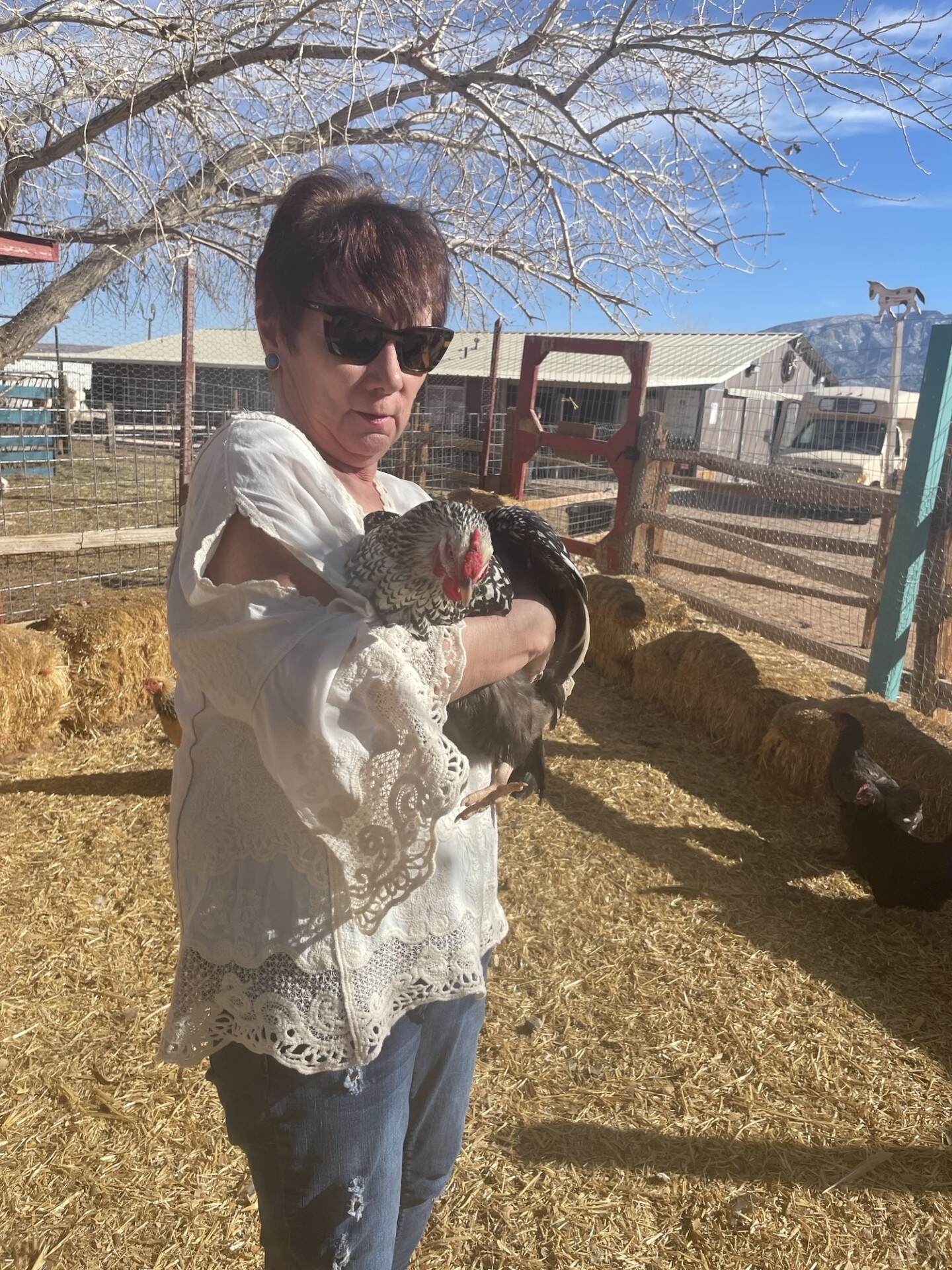
Hidden at the base of the sacred Tuyuna Rock on the Santa Ana Pueblo, Ben Braden tends to over one hundred horses among other livestock at the Tamaya Horse Rehabilitation Center. The center is a nonprofit, positive reinforcement-only facility dedicated to providing unwanted and abused horses with a purposeful life. They also care for an array of chickens, goats, and cows. The Tamaya’s mission is to “focus on where they’re going, not where they came from.” Ben is the volunteer coordinator and has hosted many field trips with the University of New Mexico students to educate them about intersectionality and sustainability. One difference they are making in their local food system involves their surplus of manure. They have become dedicated to composting and outsourcing manure at no cost to local organizations, closing resource gaps in the food system chain.
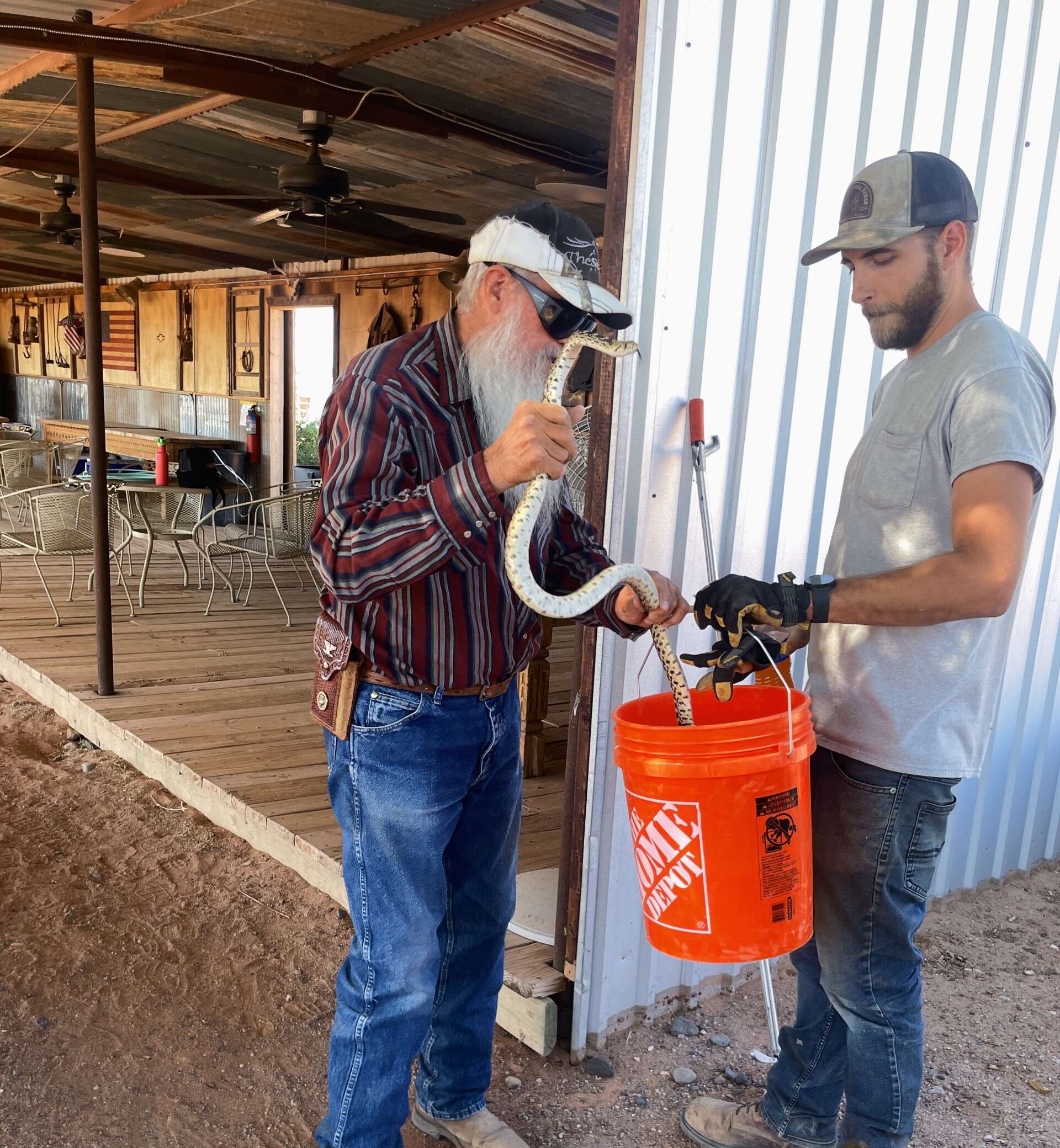
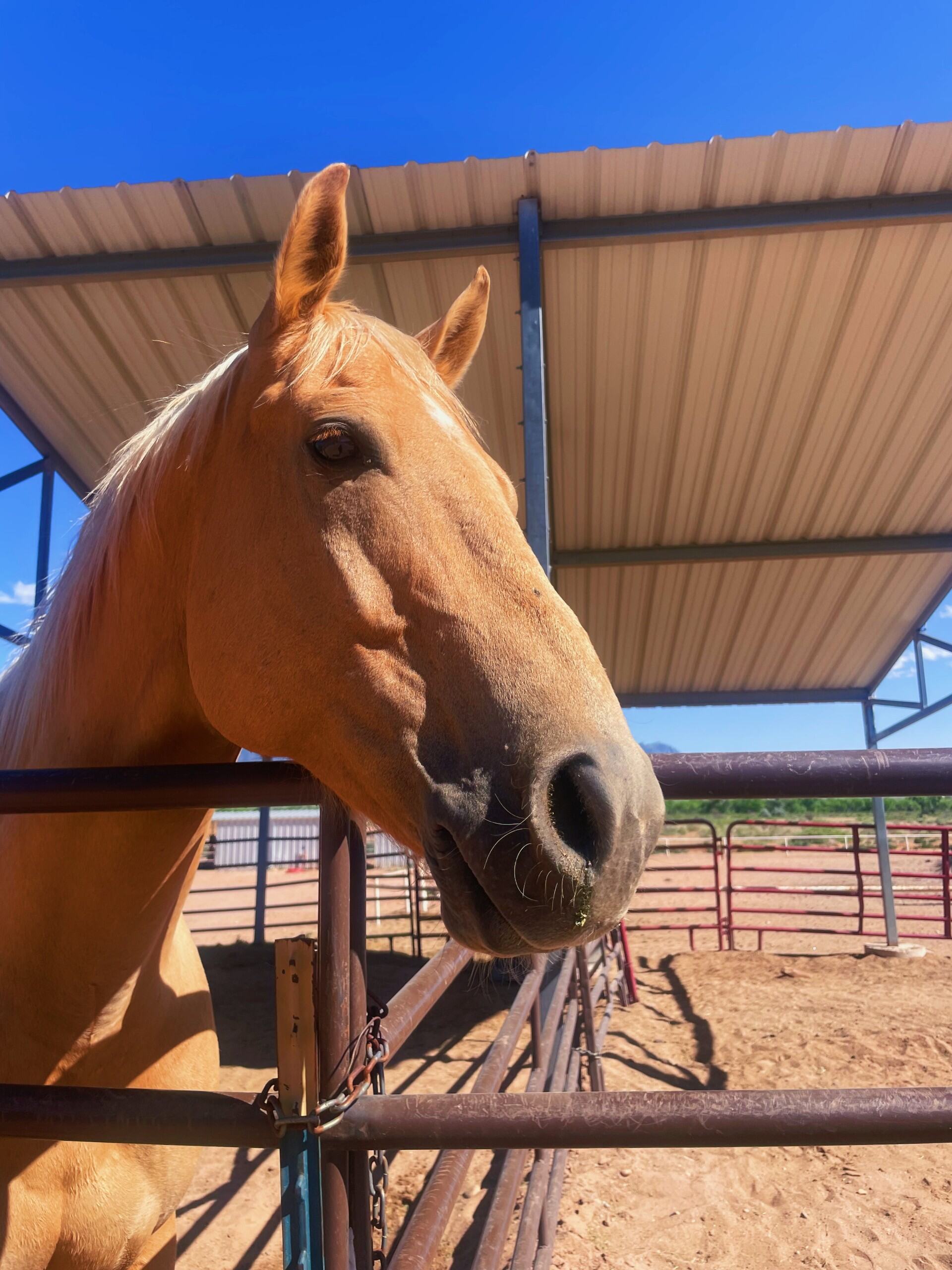
Image credit: author
Manure is a vital component from small-scale gardens to large-scale organizations. It provides vital nutrients and carbon sources for soil and can be easily implemented into circularity procedures. Maure has a vivid ecosystem inside of it that slays, including bacteria, fungi, and other microorganisms that the soil needs. Manure as a fertilizer just scratches the surface of its benefits:
- Nutrients: Because manure is processed through digestion, it contains materials that are more readily accessible and balanced for plants, such as high nitrogen, phosphorus, and bacteria yields
- Organic Matter: Manure is also used as a soil amendment, helping it improve the structure of the soil and its ability to retain water. This also aids in carbon sequestration
- Energy: Energy can be processed from manure anaerobically or thermochemically to produce biogas and bio-oil. The methane emissions from manure can also be utilized in closing gaps in a circular economy, yielding energy that can help offset the consumption of fossil fuels
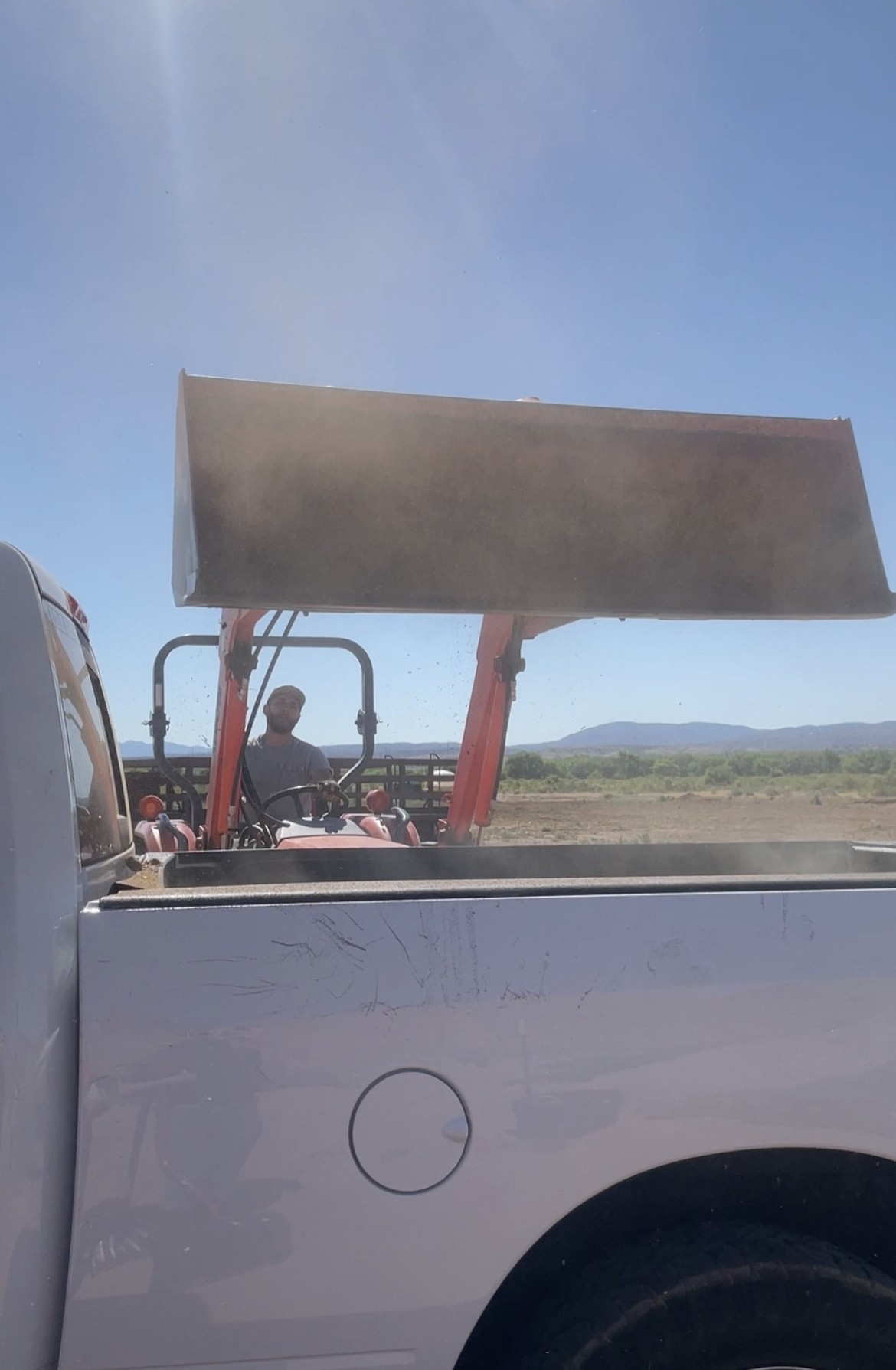
Image credit: author
At Tamaya, they produce manure from chickens, goats, cows, and horses, any of which are all available to local growers. Different types of animals produce different types of manure. Each has its own benefits and disadvantages that range from its physical quantity to its chemical composition.
- Chicken: This manure is the most nutrient-rich and is high in nitrogen which can be attributed to the urine contained in the droppings. Its biggest downside is that it has a generally lower yield
- Cow: Cattle manure can be used immediately because of the cow’s digestive system. They have two stomachs, so the manure is digested twice, lowering the nitrogen content. It is still recommended to compost to reduce the risk of pathogens
- Horse: Horse manure’s biggest advantage is the high amount that can be produced very quickly. Because of the high quantity and longer composting time, some environmental costs can occur, like the potential for nitrates to leach into water
- Goat: Goat manure has a higher nitrogen content than chicken and cow manure, which can be beneficial or a disadvantage depending on the types of plants it is being used for. For example, plants like lettuce, watermelons, and several root vegetables.
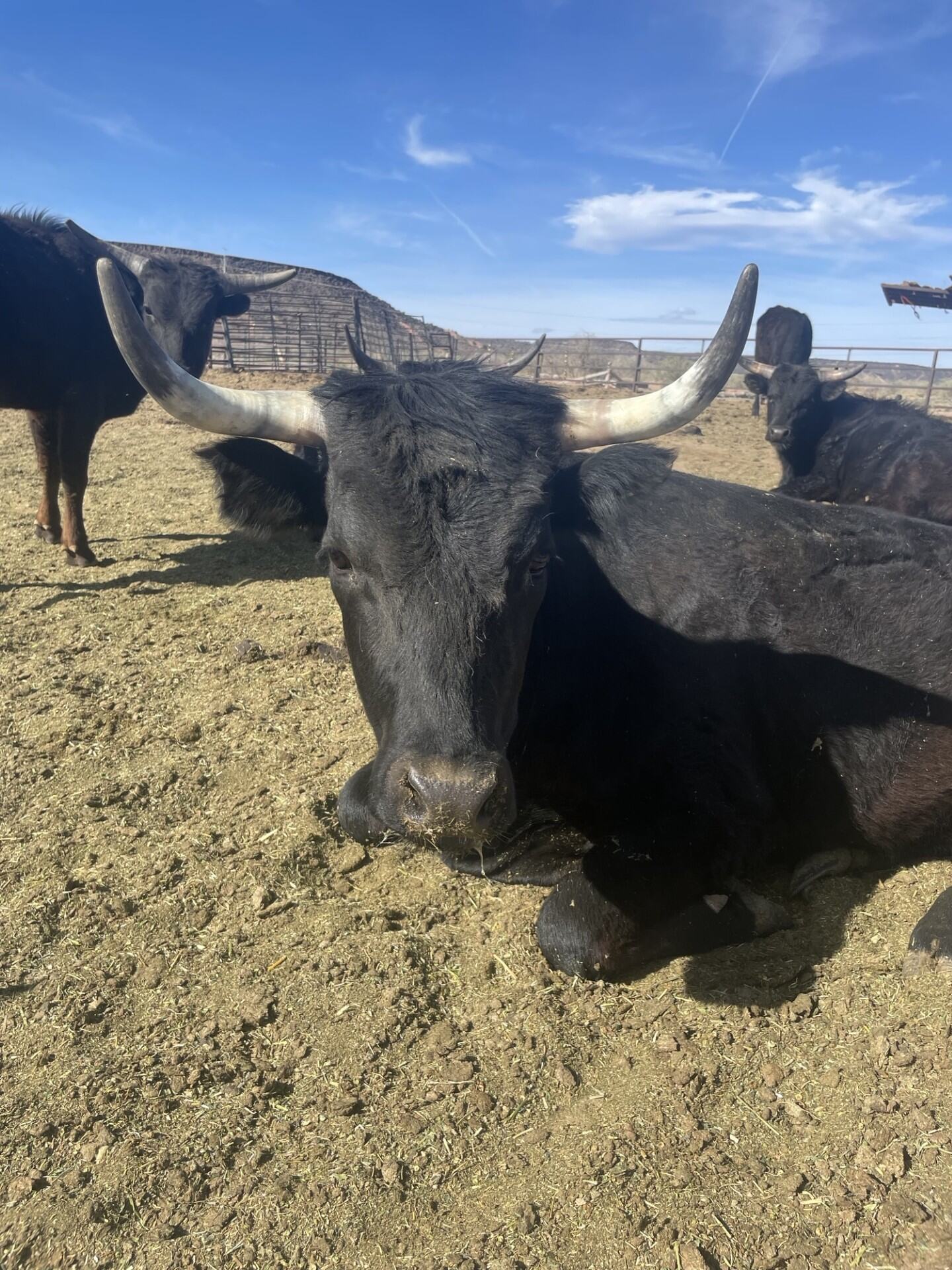
Image credit: author
Ben also explains to me some indicators of manure that is ready to use, such as the not-so-micro organisms like mites, ants, and isopods. Once the nitrogen levels, and thus the temperature, have depleted enough, the composted manure becomes habitable for many different types of organisms. Some of them are large enough to be visible, allowing us to understand that the manure will not burn crops and can provide sufficient nutrients to the soil on a visual level. For this to occur, the temperature of the manure needs to reach between 131℉ and 170℉, and, depending on the animal, can take many months to cool down and become ready for use. Because of the high nitrogen in a compact area, the piles of manure can sometimes be seen steaming as it cools. While not yet ideal for plants, this process is essential in killing off harmful pathogens and weed seeds.
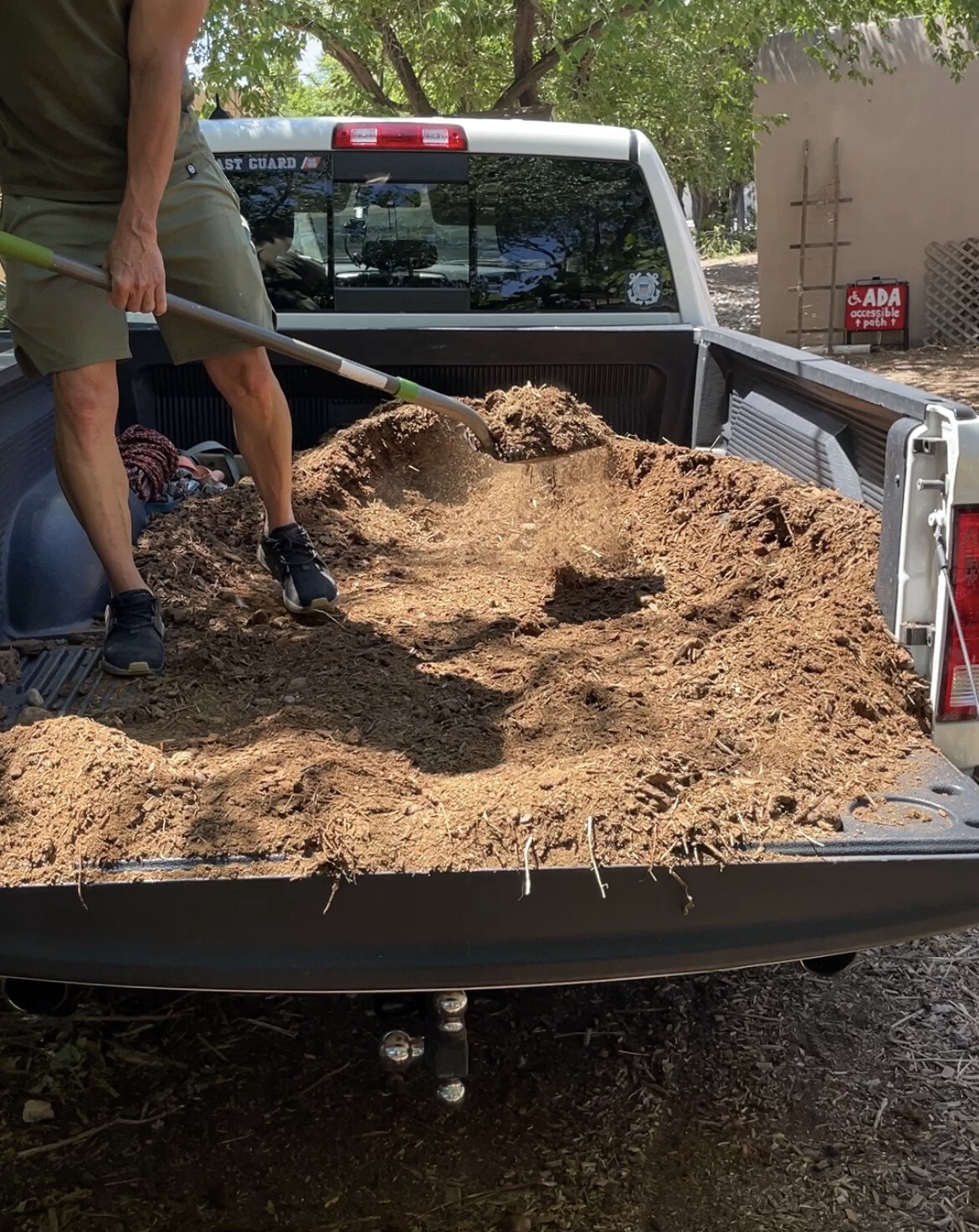
Image credit: author
Making steps toward a sustainable future manifests itself in many ways and may not be one-size-fits-all. The Tamaya Horse Rehab has effectively taken a waste component of its operation and has provided avenues for multiple points in the local food system to thrive through it. This is a great example of circular economics that has been done intrinsically and is easy to implement at other input points in a local food system.
-Posted by Bianca
 ABQ Stew