
Have you ever felt guilty for watching food go rotten or throwing out food scraps/materials you hoped could have a better use? We all go through the guilt trip, but the good news is there are many ways to repurpose your food, food waste, and ingredients! It is hard enough as it is to rely on social media and false advertisements of what is the best skincare or the “hottest” skincare at the moment. The media can falsely advertise to get their sales up, so it is hard to find reliable options for skincare. However, there are some trustworthy options- profitable businesses use food scraps or food sources within their skincare to create a more sustainable brand with additional health benefits. Hence, your health and long-term safety can benefit from reusing food scraps or using food sources before they become inedible. You can put food to use via DIY, Do-It-Yourself skincare or supporting business brands that give food an extra life. The methods about to be presented are eco-friendly, sustainable, budget-friendly, while also promoting a decrease in food waste.
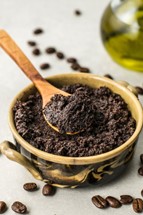
Fruits, vegetables, and other food sources can be used more effectively. Banana peels sooth the skin to relieve skin conditions such as psoriasis, eczema, bug bites, sun burns, and wounds. Coffee grounds have exfoliating features due to their antimicrobial properties which kill bacteria, the naturally acidity in the coffee grinds can reduce inflammation, and also unclog your pores. Potato peels can be used for skin lightening, acne treatment, hair, and sunburn treatments. There are many remedies given to us by our natural resources. With DIY skincare, we don’t have to be skeptical about what we are putting on our skin because we are creating the product with natural ingredients.


- 1 tablespoon of coconut oil
- 1 teaspoon of brewed coffee grounds
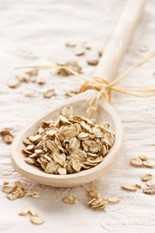
Coconut Oil & Oatmeal Face Mask
(Acne-prone skin types)
- Warm ¼ cup of water into mixing bowl.
- Add 1 tablespoon of coconut oil into warm water until it is melted.
- Add in 3 tablespoons of oatmeal into mixture.
- Stir until a paste is formulated.
- Let the mask sit for 15 minutes.
- Combine 1-2 tablespoons of honey with 1 cup of pumpkin puree.
- Let the mask sit for at least 15 minutes.
As mentioned previously, different skincare brands are now upcycling discarded food into their products to become more sustainable and eco-friendly. Though some products are less budget-friendly than others, the alternative can be DIY skincare.
Let’s get into the local scale. A local brand in Santa Ana Pueblo sells authentic and handcrafted Tamaya Blue Corn Meal, which is used for food. In New Mexico, blue corn meal is used in traditional Native American cuisine. These uses consist of, but are not limited to blue corn tortillas, flour, corn bread, muffins, pancakes, tortilla chips, atole, bread, and many more. With Tamaya Blue Corn Meal, there is a variety of mixes you can purchase along with recipes. Although, blue corn meal brings great use for traditional cuisines, it can be scaled up into a rejuvenating body scrub from Albuquerque’s own, Los Poblanos Farm Shop. Though, I understand that we may not want to spend $40 on a body scrub, so we can make our own! All we need is honey, water, and blue corn meal.
Blue Corn Meal Body Scrub
- 1 tablespoon of blue corn meal
- 1 ½ tablespoons of honey
- Splash of water
Blue Corn Meal Lip Scrub
- 2 tablespoons of blue corn meal
- 1 tablespoon of coconut oil- can substitute for honey
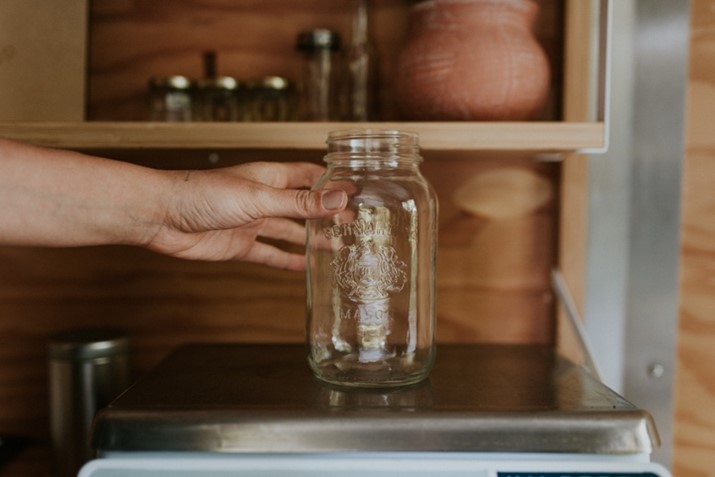
If DIY skincare is an idea that interests you, it would be of relevance to invest in sustainable products such as reusable containers made from recycled materials that reduce your plastic waste. In Albuquerque, People & Planet Refill provide materials to say goodbye to single-use plastics. Make your DIY skincare products as sustainable as you can!
It is a challenging thing to endure the guilt we face of letting our food go to waste, but with DIY skincare and supporting skincare brands from both the global to local scale that implement the upcycling of these foods into their products, we may not have to feel as guilty.
-Posted by Kennedie
 ABQ Stew